Maximising the benefits of magnetic separators and metal detectors
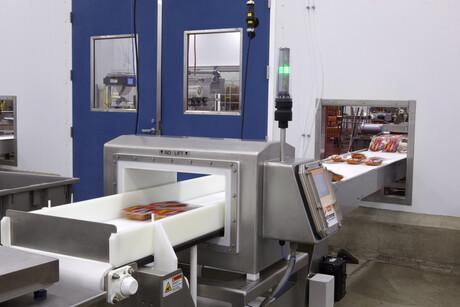
Magnetic separators and metal detectors play a crucial role in enabling food and packaging processors to meet strict purity standards and safeguard their equipment against damage. To optimise the effectiveness of these systems, it is essential to incorporate magnetic separators and metal detection equipment throughout the entire food processing journey, with particular emphasis on the initial and final stages.
The strength of magnets and the sensitivity of metal detectors vary widely by manufacturer and equipment model so it’s important to match the equipment to suit the user’s application challenges and requirements.

In most cases, a combination of magnets and metal detectors within the processing line will yield good results. This integration offers an additional layer of protection by allowing the two pieces of equipment to work in tandem. While metal detectors identify and remove various types of metals — including ferrous, nonferrous and stainless steel — magnets can remove smaller ferrous and magnetic stainless steel particles that may evade detection by metal detectors alone.
By strategically placing a magnet immediately upstream of a metal detector in the processing line, ferrous contaminants can be removed before reaching the metal detector. This arrangement can minimise the number of detections made by the metal detector, leading to fewer production disruptions and reduced loss of good products.
A three-level strategy for preventing moisture 'drift' in food production
Controlling moisture in food production is critical because even relatively small changes can...
Digital Memosens technology for pH measurments
In food processing, pH measurement is rarely just about obtaining a number.
Bottling line for resealable aluminium beverages
A family-owned beverage producer and contract bottler in Germany required a line for its new...