Why Class 0 Oil-Free Compressors Are Essential for the Food & Beverage Industry
In today’s food and beverage industry, maintaining product quality and meeting strict hygiene standards are more important than ever. While manufacturers focus heavily on ingredients, packaging, and production processes, one critical utility often operates behind the scenes: compressed air.
Compressed air is widely used across food and beverage operations for applications such as product conveying, packaging, bottling, filling, cleaning, fermentation, and automated processing systems. In many of these processes, compressed air comes into direct or indirect contact with food products. This makes air purity a critical factor in ensuring food safety, operational reliability, and regulatory compliance.
For manufacturers aiming to eliminate contamination risks, Class 0 oil-free compressors have become the preferred solution.
Understanding Class 0 Air
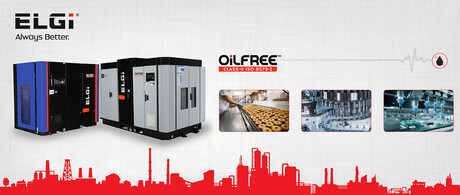
Class 0 is the highest air purity standard defined under ISO 8573-1 for compressed air systems. It certifies that the compressor delivers air with extremely low oil contamination levels, helping businesses avoid risks associated with oil aerosols, vapours, and particles entering production processes.
Unlike traditional oil-lubricated compressors, oil-free compressors are engineered so that oil never comes into contact with the compressed air during the compression cycle. This significantly reduces the possibility of contamination within production lines, packaging systems, or finished products.
For food manufacturers, even small traces of oil contamination can create serious consequences including product spoilage, rejected batches, production downtime, regulatory issues, and reputational damage. As food safety standards continue to tighten globally, many businesses are adopting oil-free technology as part of their long-term quality assurance strategy.
Supporting Food Safety and Product Integrity
Food and beverage manufacturers operate in highly regulated environments where hygiene and consistency are essential. Whether in dairy processing, beverage bottling, breweries, meat processing, or packaged food manufacturing, compressed air quality directly impacts operational safety.
Class 0 oil-free compressors help manufacturers maintain cleaner production environments while reducing risks associated with contaminated air systems. This is particularly valuable in sensitive applications such as:
- Food packaging and filling lines
- Beverage bottling and canning
- Dairy and milk processing
- Pharmaceutical and nutraceutical production
- Ingredient conveying systems
- Clean-room manufacturing environments
By removing the risk of oil carryover into the air stream, businesses can better protect product integrity and maintain confidence in their manufacturing processes.
Improved Operational Efficiency
Beyond air purity, oil-free compressors also contribute to smoother and more efficient plant operations.
Because there is no oil contamination within the compressed air stream, downstream equipment such as filters, dryers, pipelines, and pneumatic systems can operate more efficiently with reduced contamination concerns. This helps simplify maintenance practices and lowers the risk of unexpected production interruptions caused by oil-related issues.
Oil-free systems can also help reduce servicing requirements associated with oil changes, oil filtration, and disposal management commonly required in conventional compressor systems. For facilities operating continuously or under demanding production schedules, reduced maintenance downtime can translate into improved productivity and lower operating costs.
Energy Efficiency and Sustainability
Energy consumption remains one of the largest operating expenses in compressed air systems. Modern oil-free compressors are designed with advanced airend technology, intelligent controls, and energy-efficient operating systems that help manufacturers reduce overall power consumption.
For food and beverage companies focused on lowering operational costs while achieving sustainability targets, energy-efficient compressor technology plays an important role in improving long-term business performance.
Oil-free compressors also support environmentally responsible manufacturing practices. Since there is no lubricating oil involved in the compression chamber, businesses can reduce the environmental risks associated with oil disposal, leakage, and contamination.
Lower energy consumption combined with cleaner operation helps manufacturers move closer toward carbon reduction and sustainability goals while maintaining reliable production performance.
A Long-Term Investment for Future-Ready Manufacturing
As consumer expectations, food safety standards, and environmental regulations continue to evolve, manufacturers are increasingly investing in technologies that improve operational reliability and reduce risk.
Class 0 oil-free compressors offer businesses a future-ready compressed air solution that supports product quality, operational efficiency, and sustainability initiatives simultaneously. While the initial investment may be higher compared to conventional oil-lubricated systems, the long-term benefits in reliability, reduced contamination risk, maintenance savings, and brand protection can deliver significant value over time.
At ELGi Equipments, oil-free compressed air solutions are engineered to deliver dependable Class 0 air purity, energy-efficient performance, and long-term reliability for demanding industrial environments. With growing emphasis on food safety and operational excellence across Australia’s food and beverage industry, oil-free compressor technology is becoming an increasingly important part of modern manufacturing infrastructure.
Robust cable solutions for food and beverage manufacturing
By choosing robust cabling from the outset, food manufacturers can help to protect the...
How Smarter Compressed-Air Monitoring Can Help Food & Beverage Manufacturers Improve Reliability and Efficiency
ELGi's Air~Alert provides food and beverage manufacturers with connected monitoring...
From Manual Weighing to Intelligent Quality Control with METTLER TOLEDO's IND400
Why Today's Manufacturers Can't Afford to Weigh by Guesswork.