Flexibility and Safety: Inspection in the Dairy Industry
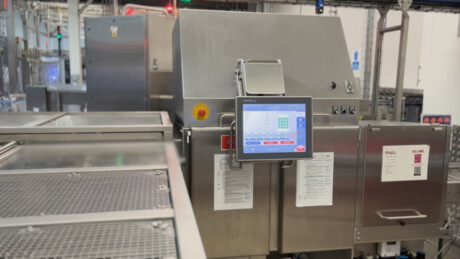
The food industry in Australia is currently undergoing a profound transformation, driven by automation and the need to comply with increasingly strict food safety regulations. In this highly globalised environment, local producers require advanced technologies that minimise product waste and protect their brands against contamination risks.
Wipotec, the leading German manufacturer of dynamic weighing and product inspection technology, stands out in this landscape. With a core focus on modular X-ray and checkweighing systems, the company provides processing plants with key tools to achieve maximum operational precision without sacrificing line speed.
The Challenge: High Output and Diverse Packaging Formats
The success story at the Müller yoghurt plant in Telford (UK) perfectly illustrates the type of high-end engineering solutions that Wipotec deploys globally. This modern facility, which produces around 9 million pots per week ranging from 125 g to 1 kg, needed to upgrade all of its production lines with advanced X-ray inspection systems.
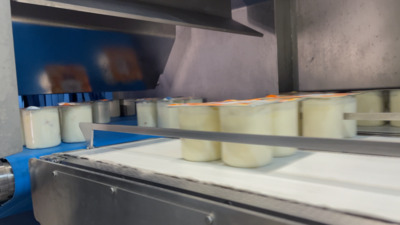
The main technical challenge was the immense diversity of the packaging formats. The plant handles traditional large pots, dual-compartment split pots (with separate yoghurt and topping sections), yoghurt drinks, and multipacks of four or six units. Each variant required a specific design to prevent product tipping, collisions, or false rejections caused by the varying densities of the different ingredients.
Intelligent Modular X-ray Technology
To solve these complex production scenarios, Wipotec implemented customised solutions from its modular SC and SC-WD series across all lines. Every installed machine was configured with two independent reject stations: one dedicated exclusively to detecting foreign object contamination and another for fill-level deviations.
Wipotec’s adaptive engineering resolved the unique challenges of each line through purpose-built designs:
- 1 kg Pots and Drinks: A special curtain-free design was implemented alongside pop-up roller rejection systems, preventing the cups and small bottles from tipping over when passing through the scanner.
- Split Pots: Customised four-lane SC 6000 systems were installed. Each compartment of the pot is inspected using different software settings to optimise detection performance for the respective ingredients.
- Multipack Formats: The plant introduced the SC-WD 6500 solution, capable of handling 6-packs (2x3) in a dual-lane configuration and 4-packs (2x2) in a three-lane configuration. Thanks to specially designed guide rails and flap conveyors, the system handles format changes automatically without requiring any manual adjustments or intervention from the operator.
The Results: 24/7 Operational Continuity
The integration of Wipotec’s technology resulted in immediate improvements in profitability and safety for the Telford plant:
- Record Startup Times: The machines arrived from Germany and were fully ready to run within just three to four days of taking the line offline.
- Zero-Downtime Flexibility: The automatic format changeover eliminated human error and drastically reduced the Total Cost of Ownership (TCO) by reducing downtime.
- Continuous Support: Since the plant operates 24/7, maximising availability was crucial, a goal successfully achieved through Wipotec’s local technical support and remote maintenance options.
The shift toward intelligent automation is an irreversible path for the Australian food industry. Wipotec’s success with major European dairy producers proves that modularity and technological customisation are the ideal tools to transform complex lines into highly efficient processes. By adopting this next generation of X-ray inspection, food processing plants not only safeguard consumer safety but also solidify their competitiveness in a market driven by high volumes and extreme demands.
For more information, contact info.au@wipotec.com.
What Makes an Enclosure Suitable for Hygienic Production?
When electrical infrastructure is installed within hygiene-critical production areas, stainless...
Beyond Ingredients: Building a Safer Food and Beverage Plant Through Better Air Quality Decisions
The future of food and beverage manufacturing depends on better decisions about everything that...
Beyond Ingredients: Building a Safer Food and Beverage Plant Through Better Air Quality Decisions
The future of food and beverage manufacturing depends on better decisions about everything that...