Risk management approach for toxin in infant formula
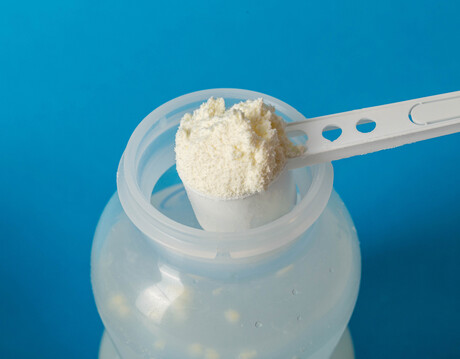
Earlier this year there were multi-country recalls of several specific infant formula products following the detection of cereulide (a toxin produced by the bacterium Bacillus cereus) — this has led to a rapid risk assessment in Europe.
Because the occurrence of cereulide in infant formula is considered to be very rare, testing for cereulide in infant formula is not part of industry-standard product release protocols. Therefore, the European Commission asked the European Food Safety Authority (EFSA) to deliver urgent scientific advice to support risk management decisions across the EU.
In its rapid risk assessment, EFSA’s scientists established an acute reference dose (ARfD) for cereulide in infants and established cereulide concentrations in infant formula of potential safety concern. This advice is intended to help EU risk managers determine when products should be withdrawn from the market as a precautionary public health measure.
EFSA’s scientists proposed an ARfD of 0.014 μg/kg body weight for cereulide in infants. Emesis (vomiting) is the critical acute adverse effect used to set the ARfD, which was derived using benchmark dose modelling. Because very young infants (below 16 weeks) metabolise substances differently from adults, EFSA took a cautious approach and added an extra safety factor when setting an ARfD.
In Australia, the Food Standards Australia New Zealand (FSANZ) coordinated the Australia-wide recall of these specific products, which should not be consumed. For more information, visit the Food Standards Australia New Zealand website.
Air Liquide to build industrial and medical gas plant in NSW
The plant is being built to enhance the local industrial and medical gas supply across Australia...
Fat recovery method for industrial ice-cream waste
Penn State researchers have developed a simple method that could help with the recovery and reuse...
Blue-light approach to reducing Campylobacter in poultry
The novel technique developed in the UK to reduce surface contamination on poultry products is...