SPC Global expands its Aussie-made footprint across North Asia
As Australian food manufacturers look beyond the domestic market for growth, SPC Global is demonstrating how local manufacturing and supply chain optimisation can unlock export opportunities, with recent developments including expanded ranging across Asia and a more streamlined production network.
In this exclusive interview, Moataz Ahmad, Group Chief Operating Officer, SPC Global, shares details about how the company has paired a manufacturing transformation in regional Victoria with an expanding international footprint.
With a background in process engineering and 20 years of experience in the food industry, Ahmad joined the Australian food and beverage business at an evolutionary time. It was during December 2024, when SPC Global merged four Australian manufacturing food businesses together — SPC, The Original Beverage Co, Nature One Dairy and Natural Ingredients. All the manufacturing for the four merged businesses is now happening here in Australia and “there are very exciting times ahead”, according to Ahmad.
“We have fantastic iconic brands so our aim is to continue supporting the domestic market but also open up our amazing Australian-made produce and products to the global market using a demand-led operational model,” Ahmad said.
The company has already made some significant achievements, with ranging for The Original Juice Co. in Costco Japan, Emart Traders South Korea and one of Singapore’s largest retail networks, NTUC FairPrice. Some other key export highlights achieved to date include:
- The Original Juice Co. Black Label Orange Juice generated more than AU$1.2 million in sales within its first 12 weeks in South Korea.
- Juice Lab Wellness Shots are set to roll out through both supermarket and convenience channels in Singapore.
- SPC Global’s international division, Nature One, has delivered strong growth across China, Indonesia and South Korea.
The recent manufacturing changes at SPC Global have been designed to support the local production of these export-ready beverages and allow for further international expansion. The company announced in February this year its plans for consolidating local production at its Shepparton facility and transitioning selected beverage manufacturing from Mill Park, which is set to close in October, to create a more streamlined and scalable manufacturing network. Through a long-term partnership with Griffith-based Fair Dinkum Foods, it is strengthening production capabilities for The Original Juice Co. while improving access to citrus growers and export markets. The Griffith manufacturing partnership is also expected to extend fresh juice shelf life to up to 12 months, improving supply chain efficiency and opening up other international market opportunities.
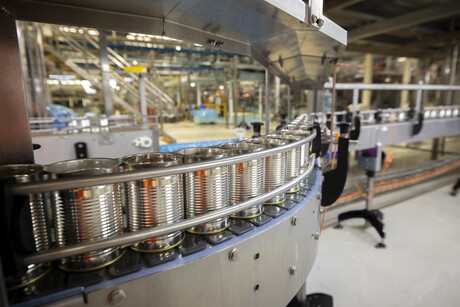
Ahmad said the company has been busy restructuring its manufacturing footprint in Australia to unlock potential, which has also included modernising the bottling lines and securing enough Valencia oranges locally to match the demand for its juice from international markets, and “it’s progressing very well”, he said.
“With a demand-led operation model, everything starts with the consumers,” Ahmad said. “What we are also learning is every market has differing consumer perspectives about when and how they eat our product. Regardless of whether it’s food in a can or juice in a bottle, the segmentation of the consumers within each market — from Gen Z up to older generations — all have different product needs.
“The good thing about our group is that we are a one-stop shop with a full portfolio, from vegetables, fruits, dairy products and even infant formulas, so that gives confidence to the retailer at each market. We also have the research and development and manufacturing capability to build recipes and pack formats to fit each market.
“Consumers worldwide are willing to pay a premium for ‘made in Australia’ products and they love all SPC’s iconic brands built over the last 100 years of manufacturing. This gives us a competitive advantage for exports to international market.”
How is automation helping with the expansion plans?
Changing the infrastructure to meet the requirements for export-ready products and supply chain complexity in every market, requires flexibility and agility, and Ahmad understands the importance of managing these complexities.
“Automation and AI is part of everything we do now, even down to the analysis and fast response with consumer feedback,” he said.
“The key advantage of AI and automation technology is that it can look at trends and predict a failure before it happens.
“It’s not about replacing the decision-making process, it’s about giving direction to the operator and keeping them informed to prevent failure from happening and keep the equipment running.”
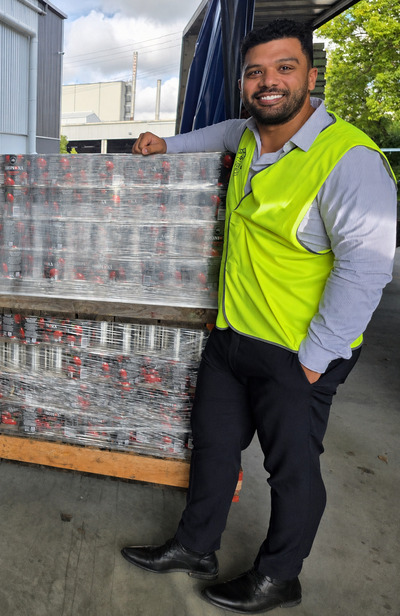
The company has recently invested in end-of-line automation at its Shepparton site for packaging and “this will also be connected to a bigger platform related to maintenance-responsive management systems, so we can get signals on equipment performance and how we can reduce waste and improve efficiency and the quality of products we produce”.
“We will also be rolling out the same approach with our co-manufacturing site at Griffith, which will be helping us produce the fresh chilled juice for the Australian market.”
The Griffith site is located close to the region where they are sourcing the oranges for the juice, so this is strategic in terms of supply chain logistics and also for reducing the group’s emission footprint. “From October onward, we will be sourcing oranges within 10 minutes from our facility.”
While the demand for orange juice is significant in the international market, the group is also working on new export opportunities for juice shots and canned food to China, as well as frozen meals from Sydney to Singapore, Ahmad said.
What new food technologies are exciting at the moment?
Ahmad explained how the group is also using food technology to help improve the yield of each piece of fruit or vegetable it uses for its products.
“When we process fruit, like oranges or apples, you lose almost 50% of it to transform it into juice. So, we have invested in technologies that are being using to improve fruit yield, which will also help us keep up with the demand and availability of the food throughout the year with our cans and jars.”
One such example is a different way of peeling, called steam peeling, which is designed to maximise the juice extracted. Ahmad said you can not only get more juice from the fruit but also utilise the skin for other value-add ingredients instead of sending it to waste. “We can re-work it and use it in another product such as juice shots for Juice Lab and powders that can be substituted back into process to improve efficiency and process flow.”
With a continued focus on improving operational efficiency by reducing energy, they are developing solutions with its front-line teams that recycle water when possible and eliminate waste right from the beginning of the process.
Ahmad is passionate about the success of the expansion plans for the ‘Australian grown and made’ food and beverage business and the positive impacts this can also have on all the collaborators and communities which are also considered to be part of the business.
“It’s all about sustainable growth to ensure SPC Global will be here for another 100 years, supporting generation after generation.”
Humidification solution for Tasmanian Botanics
Australian medicinal cannabis producer Tasmanian Botanics required a solution to control humidity...
How AI is changing the way food and beverage manufacturers prevent and manage recalls
Businesses that stand to benefit the most will be those with all their data in one place,...
Lone Star Bakery automates its dessert production line
When a new 'cheesecake in a cup' dessert was a success, Lone Star knew it was time to...