Mastering Inventory Management for Food & Beverage Safety, Compliance, and Operational Excellence
Food manufacturers continue to face industry pressures to implement robust food safety and lot tracking capabilities amongst shifting regulatory requirements and consumer expectations. From meeting compliance standards to responding quickly to recalls, businesses need greater visibility into their operations than ever before.
To navigate this landscape, having effective and accurate inventory control and management is now table stakes for operational success. In addition to helping prevent overstock, proper handling of inventory is particularly crucial in today’s complex food and beverage environment.
Another essential component needed today is product traceability, a tracking capability that lets manufacturers follow a product’s history and movement from raw materials through production to the end customer.
Inventory control is a balancing act that involves reducing the number of slow-moving items and increasing the supply of fast-moving ones, creating a balanced flow of stock.
However, better inventory management is about more than moving and storing inventory. Optimising the flow of goods also helps to save money on labour and space, using only the resources needed. It also reduces the risk of overstocking and spoilage because real-time and AI predictive forecasting data can indicate where food companies are holding inventory for longer than necessary.
Another challenge facing food manufacturers today is that too many food and beverage companies are still relying on manual counting and spreadsheets. Implementing effective inventory and traceability systems requires a shift from manual, error-prone record keeping to a digitised, automated framework.
When looking for a provider, there are a few critical features needed to strengthen food safety programs, reduce risk and streamline regulatory reporting. Key features to look for in a solution include:
Lot and batch tracking
These capabilities monitor specific groups of ingredients, from receipt through usage. This function helps manage perishable items and trace any issues back to raw material lot and batch codes with full recall and track and trace reporting.
Tracking and monitoring expiration dates
Automated expiration date tracking avoids spoilage, reduces waste and maintains product quality. It’s important to select software that alerts users to items with nearest expiration dates and when expired inventory is still in stock. This allows time to prioritise their use and prevent losses.
Quality control parameters
Having quality control features in place allows users to set and monitor standards for ingredients and supplies. Intelligent inventory management systems are designed to ensure items meet quality requirements and provide audit reporting for all quality metrics.
Real-time inventory visibility
It’s difficult to make informed decisions without accurate, real-time information. Ensure the provider can provide up-to-the-minute data on current stock levels order history, avoiding disruptions and managing inventory more effectively.
Compliance and regulatory support
To keep pace with this highly regulated industry, the software should support compliance by tracking food and beverage products, managing allergens and providing detailed reports, such as audits and inspections. Food Safety Standard compliance, alignment with HACCP are just a few regulatory examples to consider.
To reap the benefits of an efficient system, inventory planning software should include planning and organising of stocking, scanning and tracking of orders to keep ahead of this heavily regulated industry.
Here are some strategies for achieving this:
#1 Inventory organisation
Inventory organisation is the start of an efficient fulfillment system. Use good storage practices, such as grouping products that are ordered together near each other, labelling everything, and keeping delivery and expiration dates visible.
#2 Barcode scanning
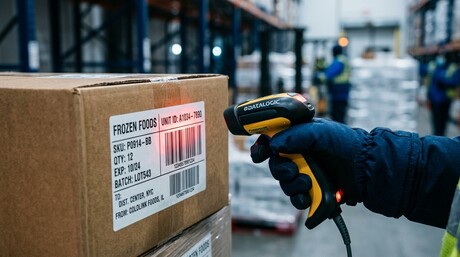
Printing barcode labels and scanning them after receipt and shipment enables inventory software to keep an updated tally of ingredients, inventory and ready-to-sell merchandise. This reduces intake time and more easily identifies lost, damaged or stolen goods. Look for software that can print and manage them.
#3 Optimise space
Proper planning requires optimised warehouse space, which in the food and beverage industry often means keeping stocks low to avoid spoilage. This is also while trying to avoid dipping below the current demand and paying for stock outs.
#4 Use demand forecasting software
Keeping stocks low without running out of product requires keeping accurate product counts. Leverage software to implement intelligent forecasting to better predict future demand and the ability to quickly adjust inventory levels.
#5 Expiration date tracking
In food and beverage, overstocks can not only waste valuable storage space, they can also cause expensive spoilage. Inventory planning software that uses lot ID tracking grouped by expiration date can help fulfillment teams get fresh products off the shelves before their time is up.
#6 Use the FIFO method
FIFO or “first in, first out” optimises inventory storage and reduces downtime. The basic premise is to organise inventory so that the oldest items are stored near the front of shelves and the newer items are at the back. This allows food companies to sell or ship the inventory nearest its expiration dates.
#7 Account for seasonal demand
In food and beverage, every season differs for product demand. Account for seasonal availability and demand in planning software to structure a warehouse more efficiently for each season.
Bottom Line
Effective inventory management is essential for food and beverage businesses to keep pace with regulatory requirements and provide exceptional customer service. In a fast-paced and constantly evolving industry, an agile food supply chain is key to improving operational efficiency, responding quickly to market changes and driving sustainable profitability.
AFGC and Federal Government align: Inventory management improvements to weather the storm
Many food processors still rely on systems that were never designed for manufacturing complexity.
Why 2026 growth won't come from price rises: inventory systems back in focus
Australia's latest round of first-quarter outlook reports paint a mixed picture for small...
Swisslog's multi-temperature automation modernises cold storage and logistics
Australia's food and beverage manufacturers are under increasing pressure to manage complex...