Shelf friendly packaging - is there a problem here?
By Ralph Moyle MAIP, National President, Australian Institute of Packaging
Monday, 26 November, 2012
While shelf friendly packaging (SFP) has been part of the Australian retail landscape for nearly 10 years, it is a process and a function that few understand.
The core of SFP is waste and cost reduction; topics familiar to many of us. The Australian supply chain for FMCG goods is long and many hands touch the carton or pack. One of SFP’s key targets is minimising labour at each work station. For secondary packages, the accepted task of safe transport has not changed. It is just more challenging when it needs to look good on the shelf, attract a buyer and complement the primary pack.
The big three retailers are driving SFP. The shared presentation at the AIP National Conference by Rod Evenden (Woolworths) and Matt Swindells (Coles) clearly demonstrated common goals, which are summarised in the mantra of ‘five easies of SFP’: easy to identify; easy to open; easy to replenish; easy to shop; and easy to dispose.
There are three elements to find the optimal SFP solution:
- Size, shape and format of the secondary packaging. The question asked of brand managers and packaging professionals is “what is the item’s rate of sale?” If 24 items per week are sold in each store, a carton of 24 can be adapted. However, if the weekly rate of sale is six, the value of continuing with a slow-moving product must be analysed.
- Structural. Secondary shippers are becoming smaller. Corrugated board C flute is outdated, with E and the newly-developed R as alternatives. Folded board packs are finding a niche with their exceptional printing qualities. Regular-slotted and wraparound carton formats are no longer the only choice. Tray and shrink are generally chosen for rigid cans and glass.
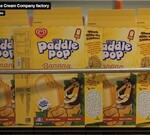
- Communication. Having transported the primary packs successfully to the shelf, the shipper must now be point-of-sale material and communicate directly to the shopper. The choice of message and how it is printed is vital to success.
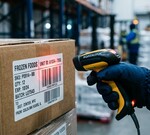
As was the case with introduction of barcodes on shippers many years ago, SFP is part of doing business today and is not going away. No-one would consider removing barcodes; in time, SFP will be as important as barcoding.
If you look you will find problems, but if you are committed you will find solutions.
National President
Australian Institute of Packaging
info@aipack.com.au
www.aipack.com.au
Resealable pouches to preserve freshness of cucumbers
StePacPPC's 3-in-1 zipper pouch has been used as a snack pack for baby cucumbers.
Product profile: making multihead weighing easier for operators
Equipment that is easier to operate, easier to clean and simpler to maintain can make a...
Packaging refresh for Victorian craft spirits brand
Peacock Bros has worked with Organic Bay Distillery on a packaging redesign to help strengthen...