Small changes for manufacturing healthier food
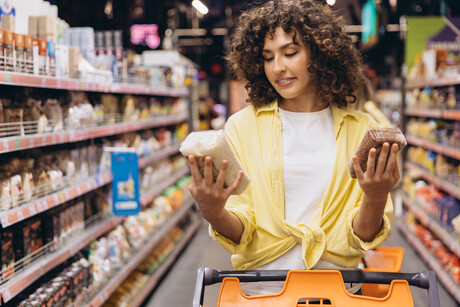
Food and drink manufacturers could improve the overall nutrition and sustainability of their products by making changes to 10% or less of their existing product line, according to new research published in Nature Food.
The University of Oxford research looked at the foods sold in the UK by 44 major food and beverage manufacturers — assigning scores for nutrition and sustainability per 100 g to each product. They found there was considerable variation in terms of nutritional quality and environmental impacts across manufacturers operating within the same food category. For example, a ready meal from one manufacturer might be much less nutritious and sustainable than a similar bar at another manufacturer.
The researchers then identified how changing the types of product could provide potential for nutritional and environmental benefits. In some cases, changes to 10% or less of their product line could deliver more than 50% of the potential gains in nutritional quality or sustainability.
The results revealed that two British supermarkets had some of the largest scope to improve their scores for both environment and nutrition. But manufacturers with narrow product ranges, such as snack and energy drink manufacturers, generally have lower scope to improve their scores.
“Ours is the first study we are aware of to assess the capacity for food & beverage manufacturers to support nutrition and environmental sustainability through changes within their existing product portfolios,” said lead author Eleanor Hammond, who conducted the research while working at the University of Oxford.
“If food systems are to transition to more nutritious and environmentally sustainable outcomes, food manufacturers are going to have to change the products they sell. This change can either be driven by food & beverage manufacturers, or imposed on them by government policy. Our findings show manufacturers can get a head start on this necessary transition by making small changes to their product portfolios today,” said co-author Dr Michael Clark, Associate Professor, Sustainable Food Solutions at the Smith School of Enterprise and the Environment.
For more details, read the full study here.
Flavour-first technology for fruit development
A new flavour wheel tool developed by Queensland researchers will allow consumer taste...
2026 Melbourne Royal Australian Food Awards unveiled
Black garlic honey, fruity sourdough and salted walnut ice cream were some of the standouts from...
Research study examines no-sugar sweetened soft drinks
A clinical study conducted by University of Liverpool compared non-nutritive sweetened beverages...