Flavour-first technology for fruit development
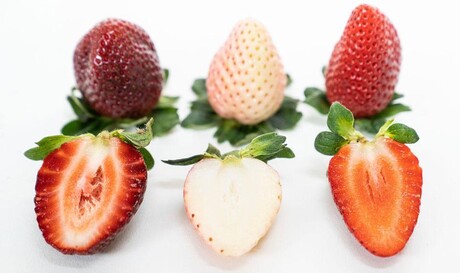
The Genetics of Fruit Sensory Preferences project, funded by Hort Innovation, involved creating language similar to that used by winemakers, so plant breeders had a consistent way to assess flavour and identify traits consumers valued most. The ‘flavour wheels’ aimed to help breeders identify promising varieties earlier in the breeding process, accelerating the development of fruit consumers would enjoy.
Professor Heather Smyth from The University of Queensland, who led the project, said the flavour wheels provide an important new tool for researchers and industry.
“Flavour is one of the key drivers of consumer satisfaction, but it has traditionally been difficult to measure consistently across breeding programs,” Smyth said.
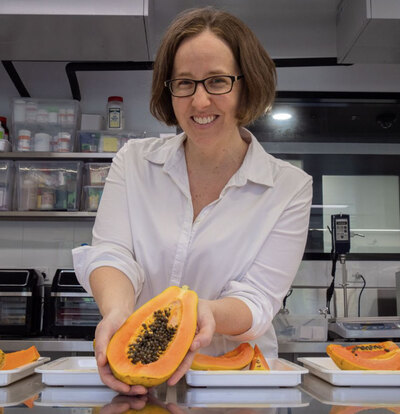
“The flavour wheel creates a common framework for describing and assessing flavour traits, helping breeders, researchers and industry better understand the characteristics consumers value most.”
The project represented a significant step towards integrating consumer preferences much earlier in crop improvement programs, according to Hort Innovation General Manager of Production & Sustainability Anthony Kachenko.
“The real value of this work is that it ensures breeders have greater clarity around consumer preferences so that these traits can be considered from the outset in the selection and development of new varieties,” Kachenko said.
“Traditionally, consumer acceptance testing occurred towards the end of the process, but this lets us put consumers much closer to the front of the breeding pipeline, alongside important production traits such as productivity and disease resistance.”
Gavin Scurr, managing director at Pinata Farms, said the practical outcomes were promising.
“As growers we get a real buzz from consumers enjoying our fruit and being able to better tailor these products to consumers will be beneficial,” Scurr said.
“Being able to meet the demands of the market is good for the consumer, good for the grower, and good for everyone in the supply chain.”
For more information, visit here.
The good, the bad and the ugly food buying habits
A recent study with Charles Darwin University (CDU) examines how consumers' religiosity...
Small changes for manufacturing healthier food
Research in the UK suggests that food and drink manufacturers could improve the sustainability...
2026 Melbourne Royal Australian Food Awards unveiled
Black garlic honey, fruity sourdough and salted walnut ice cream were some of the standouts from...