Antiviral plastic film for surfaces developed at RMIT
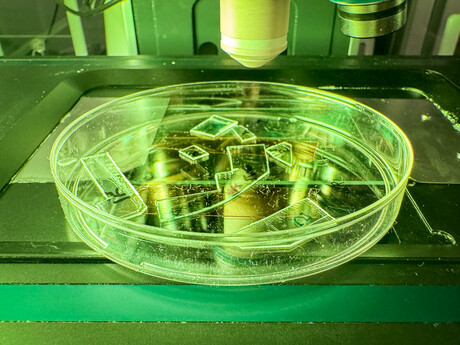
Researchers at RMIT University have developed a plastic film that is designed to “tear apart viruses on contact”, with potential applications including high-touch surfaces such as smartphones, keyboards and even hospital tables.
According to study lead author and PhD candidate Samson Mah from Australia’s RMIT University, the mould for this film could be adapted to roll‑to‑roll manufacturing, meaning antiviral plastic films could potentially be produced at scale with existing factory equipment.
Unlike earlier antiviral coatings, this research shows stretching rather than skewering viruses is a more effective kill.
The flexible acrylic surface is textured with ultra‑fine structures called nanopillars that grab and stretch the outer shell of the virus so much that it ruptures, killing the virus through mechanical force rather than chemical disinfectants.
In lab tests with the human parainfluenza virus 3 (hPIV-3) — which causes bronchiolitis and pneumonia — about 94% of the virus particles were either ripped apart or damaged to the point where they could no longer replicate to cause infection within one hour of contact with the surface.
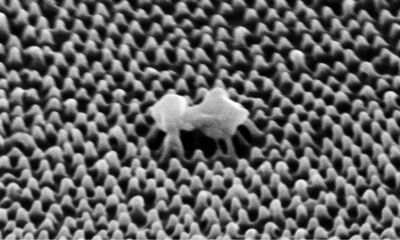
So far, the work has focused on hPIV‑3, an enveloped virus with a fatty outer membrane; the team now plans to test smaller and non‑enveloped viruses to see how broadly the nanotextured surface works. More research is also needed to study the texturing’s effectiveness on curved surfaces.
The study has been published in Advanced Science.
The Magnum Ice Cream Company upgrades facility to relaunch Magnum Ego
Production of the multi-layered ice cream has been restarted at The Magnum Ice Cream Company's...
Science behind the beer: lab upgrade at XXXX brewery
One of Queensland's iconic beers receives a scientific boost with the completion of a new...
Ballarat food manufacturer plans to expand with new facility
Australian food brand Exotic Bazaar is undertaking a $2.35 million manufacturing expansion to...