Fast detection of beverage spoilage using the SureTect Multiplex PCR Assay
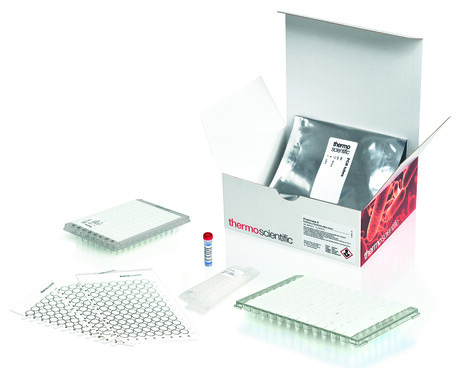
Spoilage in beverage production is primarily caused by microbial contamination from yeasts, bacteria and moulds, which can result in off-flavours and other issues such as cloudiness and bloated cans. In order to prevent the risk of spoilage, the Polymerase Chain Reaction (PCR) assay laboratory technique can be used to rapidly detect low levels of spoilage pathogens for quality assurance and the prevention of costly recalls.
The Thermo Fisher Scientific™ SureTect™ Beverage Spoilage Multiplex PCR Assay has now been launched to provide a rapid quantitative polymerase chain reaction (qPCR) solution for beverage manufacturers.
Designed to meet the specific needs of the beverage industry, the solution was developed using Thermo Fisher's automated SureTect PCR Workflow platform after an industry collaboration with Coca Cola Europacific Partners (CCEP) back in 2023.
The industry collaboration involved Quality and Food Safety Manager for CCEP Raul Mesa, who was responsible for finding, selecting and implementing workflows for CCEP’s microbiology labs across 31 countries — his team required a scalable workflow solution to match their throughput.
With a technical background in microbiology, Mesa worked with Thermo Fisher to develop a PCR assay for the rapid detection of spoilage contamination in their beverage production environment.
“When we first implemented the SureTect PCR Workflow we started with the manual protocol. Our previous experience with PCR was quite laborious, but the SureTect PCR protocol is straightforward,” Mesa said.
“While our routine analysis could be done manually, the number of samples increases substantially during contamination events, making manual handling challenging. Automation allows us to smoothly handle a sudden increase in tests.
“Additionally, we’re working with Thermo Fisher to implement other PCR assays, so the use of automation greatly reduces our workload in the long run.”
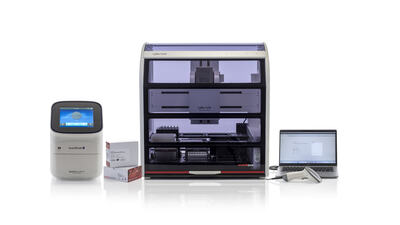
The team introduced the Thermo Scientific SureTect Automation Workflow using the CyBio™ FeliX, to reduce the hands-on demand of the upfront sample preparation:
“The instrument is really easy to use. We prepare our samples, reagents and consumables the same way as for the manual protocol. We load them onto the instrument and start the run. The instrument uses a robotic head and dual platform to prepare the samples just like a lab technician would, following the same sequence and volumes. At the end of the run, we simply take the samples from the instrument and place them in the [thermal cycler] for PCR,” Mesa said.
“I would like to add that it has a small footprint, which could be an important criteria of choice since some of our labs have limited space.”
Introducing the new platform to the lab and providing training were also key considerations to ensure a seamless workflow transition.
“One of the most challenging steps is getting lab technicians on board with the project. They need to be involved in selecting the technology. Then, give them time and confidence in the technology. It’s never a plug-and-play solution; it takes time to become confident. Allow people to make mistakes, experience cross-contaminations, and have false-positives. Like any technology, there’s a learning curve, so training is key. Our collaboration with Thermo Fisher was great in this regard,” Mesa said.
“After the initial training, we had weekly calls and refresher training sessions. This type of collaboration is crucial for the success of such a project.”
After implementing the platform, Mesa and the team subjected the workflow to rigorous testing:
“Our main concern was cross-contamination between samples, so we really challenged the system in that perspective. It passed all our tests successfully.
“We also ran accuracy tests comparing the automated process to manual handling, and the results were better with automation, which wasn’t surprising. Reducing human error leads to more consistent results when testing.”
About the SureTect Beverage Spoilage Multiplex PCR Assay
Thermo Fisher Scientific™ has launched the Beverage Spoilage Multiplex qPCR Assay as a result of this beverage industry collaboration. The solution is designed to rapidly detect a range of highly specific spoilage contamination in beverages from one PCR reaction.
Over 100 strains of the four of most relevant spoilage microorganism families for beverages can be quickly detected from aseptically produced and carbonated samples, including:
- Yeast and moulds (Y&M)
- Lactic acid bacteria (LAB) and acetic acid bacteria (AAB)
- Brettanomyces species
- Preservative-resistant yeasts (PRY)
Testing up to 96 samples in each run, the solution is simple to use and combines speed and performance in a cost-effective optimised platform for robust results up to four days earlier (depending on your current workflow), which supports fast decisions for early actions and provides high confidence in the production lines.
The SureTect Beverage Spoilage Multiplex PCR Assay includes:
- Lysis Plus Tubes
- Lysis Supplement
- Beverage Spoilage Multiplex PCR Assay Tubes
- Thermo Scientific 96-well Pierceable Seals (three sheets per kit)
- SureTect PCR Caps
The SureTect Beverage Spoilage Multiplex PCR Assay is validated on the Applied Biosystems QuantStudio 5 Food Safety Real-Time PCR System with RapidFinder Analysis Software v3.0 or later, allowing users to test easily and confidently. After completing the run, interpreted results are clearly displayed and can be reported, stored, printed or downloaded as required.
Whether your food and beverage testing laboratory is looking to introduce PCR technology specifically for beverages, or if you're considering PCR technology for other products and services, we can help you find the right solution.
Learn more about the SureTect range at thermofisher.com/suretect.
Robust cable solutions for food and beverage manufacturing
By choosing robust cabling from the outset, food manufacturers can help to protect the...
How Smarter Compressed-Air Monitoring Can Help Food & Beverage Manufacturers Improve Reliability and Efficiency
ELGi's Air~Alert provides food and beverage manufacturers with connected monitoring...
From Manual Weighing to Intelligent Quality Control with METTLER TOLEDO's IND400
Why Today's Manufacturers Can't Afford to Weigh by Guesswork.