Tax incentive arrives as food manufacturers rethink where to invest
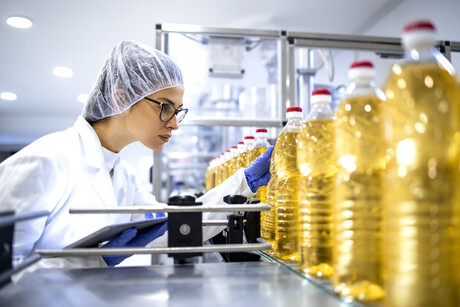
New ABS data and the permanent Instant Asset Write-off are prompting manufacturers to review how future capital investment can support productivity and long-term operational performance.
From 1 July, the federal government permanently extended the $20,000 Instant Asset Write-off, providing greater certainty for eligible businesses with turnover under $10 million to immediately deduct qualifying assets.
At the same time, new data from the Australian Bureau of Statistics (ABS) shows businesses are making investment decisions in one of the toughest operating environments since the COVID pandemic. Half of Australian businesses reported rising operating expenses in May 2026, while 36% experienced falling revenue and one in three reported difficulty meeting their financial commitments.
Manufacturing is among the sectors under the greatest pressure, with rising input costs, freight volatility, labour shortages and increasing compliance requirements placing every capital investment under greater scrutiny.
Investing for productivity, not just capacity
Simon Jupe, Managing Director of Fishbowl Inventory APAC, says manufacturers are under pressure to ensure every investment delivers lasting operational value.
“Businesses are having to make more difficult investment decisions, with every dollar needing to deliver a return beyond the immediate benefit,” Jupe said.
“Eligible businesses should seek independent tax advice about how the Instant Asset Write-off applies to their individual circumstances. From an operational perspective though, the more important question is which qualifying business assets are likely to strengthen productivity and competitiveness over the long term.”
Jupe says many food manufacturers naturally prioritise machinery upgrades but often overlook operational systems that support purchasing, production and warehousing.
“We regularly work with manufacturers that have excellent production equipment but are still relying on spreadsheets or disconnected systems to manage inventory,” he said. “Without real-time visibility of raw materials, work-in-progress and finished goods, businesses can end up carrying excess stock, making reactive purchasing decisions and tying up valuable working capital.”
Better information improves every investment
While the current investment environment is very different from the emergency support available during the pandemic, Jupe says the greater certainty provided by the permanent Instant Asset Write-off gives eligible businesses more confidence when planning future investment.
“COVID was about helping businesses navigate an immediate crisis,” Jupe said. “Today’s challenge is building stronger, more productive businesses that can compete in a higher-cost environment.”
"In food manufacturing, inventory is one of the largest assets on the balance sheet. Every pallet over-ordered, every ingredient that expires and every purchasing decision made without accurate data affects profitability, cash flow and compliance."
Jupe says manufacturers often find investments in new equipment deliver even greater operational benefits when supported by accurate inventory data and efficient warehouse processes.
“Better inventory visibility helps improve purchasing decisions, reduce waste, strengthen traceability and give manufacturers greater confidence when planning production. Those improvements benefit the entire operation.”
AI depends on accurate operational data
The discussion also aligns with the federal government’s broader focus on improving manufacturing productivity through digital capability, automation and artificial intelligence.
Jupe believes these technologies are only as valuable as the operational information supporting them.
“AI and automation are exciting opportunities for food manufacturers, but they're only as valuable as the information they're working with. Better inventory data creates the foundation for better forecasting, purchasing and production planning.”
Looking beyond the tax benefit
With cost pressures expected to continue throughout 2026, Jupe believes manufacturers should focus on investments that continue creating operational value well beyond any immediate incentive.
“The opportunity isn't simply to invest more, it’s to invest smarter,” he said. “Where appropriate, manufacturers may wish to consider qualifying business assets that improve productivity and strengthen long-term operational capability. For many food processors, that begins with making better use of the assets, inventory and warehouse operations they already have.”
Book a demo today to discover how Fishbowl Inventory can help streamline operations, strengthen inventory visibility and support long-term business growth.
Australia's Largest Processing & Packaging Event Returns to Melbourne in 2027
APPEX is set to return to Melbourne at the Melbourne Convention & Exhibition Centre (MCEC)...
From Factory Floor to Finished Product: CeMAT Australia 2026 Puts Food and Beverage Supply Chains in Focus
As labour shortages, rising input costs, and customer expectations converge, food and beverage...
ARBS 2026 Closes on Record Numbers as Industry Gathers in Force
ARBS 2026 has wrapped up in Melbourne with record attendance of 10,200 industry professionals...