Handling the protein powder boom: engineering solutions for powder processing
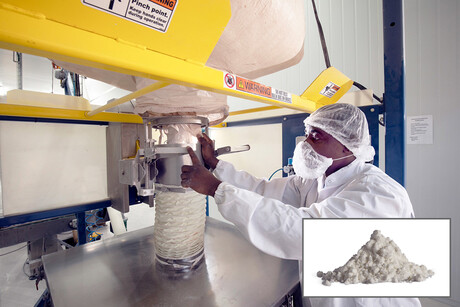
Rising health consciousness, the mainstreaming of sports nutrition and a rapid consumer shift towards protein-rich foods have continued to fuel demand for protein-enriched products. Australian food manufacturers are well-positioned to capture a meaningful share of this growth, but this opportunity comes with some complexities.
Animal-based proteins like whey, casein, collagen and egg white once dominated supplement formulations. However, plant-based options such as pea, rice, soy and blended plant proteins have now moved rapidly from niche to mainstream. This diversity in types of protein inputs is both commercially attractive and operationally demanding.
Flow promotion: not all proteins are handled the same
Whey protein’s high fat content can smear onto conveyor surfaces creating build-up. Collagen peptides can be fibrous or semi-cohesive, adding further variability. Casein and milk-based proteins are hygroscopic materials, meaning they easily absorb moisture in the production environment and are prone to compaction and clumping.
Plant-based proteins introduce a different challenge. Pea protein is a sticky material and tends to pack under its own weight, resist free flow, and adhere to equipment surfaces. Soy protein is a low bulk-density and highly electrostatic material that easily clings to conveyor surfaces and hopper walls.
Handling these materials requires targeted flow promotion at each stage of the process:
Bulk bag unloading: As protein powders are prone to compacting, bulk bag conditioners with powerful hydraulic conditioning rams can effectively loosen material before discharge. Additional flow promotion technologies, working in conjunction with bag activators, telescoping tubes and clamp rings, help maintain continuous downward tension on the bag spout, preventing dead pockets and flow restrictions. When ingredients arrive in a variety of packaging formats, multi-purpose hood options make it easier to handle bulk bags alongside manual emptying from sacks, drums and other containers within the same unit.
Hopper flow promotion: Steep hopper angles and smooth internal surfaces set the stage for reliable material flow by reducing the likelihood of bridging and ratholing. However, for protein powders, gravity alone is insufficient to maintain consistent flow, making advanced flow promotion technologies such as wall vibration devices, mechanical agitation paddles and aeration pads essential.
Conveying technologies: Aligning the right conveying technology with both the protein powder’s material characteristics and the production stage is critical for an efficient system. For fat-containing protein powders that tend to pack, cake or smear, flexible screw conveyors with a bevelled-edge spiral screw provide reliable handling. By reducing the screw’s contact surface area, the bevelled profile minimises frictional heat and material build-up. Where longer transfer distances or multiple discharge points are required, pneumatic conveying systems can then take over, transporting blended ingredients through enclosed pipelines to subsequent processing stages.
Dust control and explosion risk: an underestimated hazard
Whey protein has well-documented combustible dust properties, with published explosion severity data. Plant proteins including pea and rice protein are similarly classified. While dust control is often considered a housekeeping issue, in protein powder manufacturing, it is a safety-critical engineering requirement.
Engineering controls such as sealed bulk bag dischargers with flow control valves, telescoping tubes, clamp rings, integrated dust collectors, enclosed flexible screw/pneumatic conveying systems, weigh hoppers with controlled venting and filter receivers help contain airborne particles at the source. Protein powders, particularly plant-based types, can also carry electrostatic charge. Proper earthing of equipment and bonding across connections reduces any risk of electrostatic ignition.
Cross-contamination: protecting vegan certification
For food manufacturers looking to add animal-based and plant-based protein lines, cross-contamination extends beyond just a quality concern. It is a certification and compliance risk with direct commercial consequences.
Vegan certification is a meaningful market differentiator in the protein supplement category, where product integrity and sanitation is critical. Precision-engineered conveying systems with features such as single material-contacting moving part, complete product evacuation and quick-access cleaning features help eliminate contamination risks.
How AI is changing the way food and beverage manufacturers prevent and manage recalls
Businesses that stand to benefit the most will be those with all their data in one place,...
Lone Star Bakery automates its dessert production line
When a new 'cheesecake in a cup' dessert was a success, Lone Star knew it was time to...
Predictive maintenance delivers savings for soft drink maker
An AI-based condition monitoring solution has been used to prevent downtime, and save bottles and...