Five fresh produce trends in NZ for 2026
Wednesday, 21 January, 2026
New Zealand’s fresh pan-produce industry organisation United Fresh has released its 2026 Fresh Produce Trend Report, which predicts the trends for the year ahead. Bringing together emerging global insights and translating them for Aotearoa New Zealand, these trends in the report reflect a shift in how consumers see fresh food: not as a commodity, but as culture.
1. Fresh produce as décor
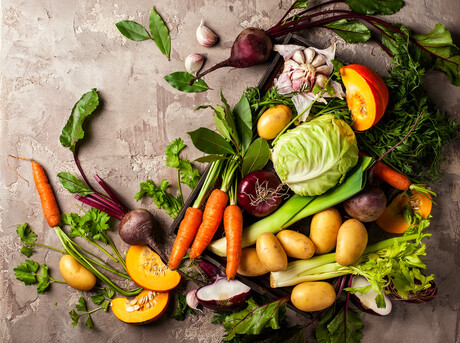
As the cost of living continues to squeeze household budgets — prompting many families to cook at home more often — fresh fruit and vegetables naturally bring the ‘Kitchen Couture’ trend to life. Their colours, textures and seasonal variety make them ideal for display on counters and in bowls, turning kitchens into vibrant, emotionally uplifting spaces. Discretion is advised, as New Zealand’s warmer months can quickly affect freshness — some fruit and vegetables are best kept in the fridge to maintain their colour, texture and flavour.
2. Women leading the way
Consumers want transparency and increasingly connect with food through the people and values behind it. Showcasing diverse women in horticulture — from science to sustainability to commercial leadership — can strengthen trust, increase connection and reflect the sector’s commitment to representation.
3. AI to boost the 5 serves a day
As digital tools and AI become part of everyday life, fresh fruit and vegetables are emerging as frequently recommended ‘hero ingredients’ in personalised meal planning. From apps that scan fridges and generate recipe ideas, to platforms that track nutrition and automate shopping lists, AI supports simple, healthy cooking. Younger consumers are especially enthusiastic about these tools, positioning produce at the centre of digitally guided healthy eating habits.
4. Creative value eating
The ‘budget bougie’ movement — led strongly by Gen Z — reframes thriftiness as a form of creativity and self-expression. Fresh produce fits perfectly into this trend, offering affordability, nutrition and high visual appeal. From colourful affordable meals to produce-led luxury hacks, consumers are celebrating cleverness over cost. Fresh fruit and vegetables offer versatility and aesthetic value, making them the go-to ingredients for meals that feel indulgent without breaking the bank.
5. Sensory dining experience
Dining is increasingly about immersion — flavour, atmosphere, identity, culture and the story behind ingredients. Fresh produce plays a central role in this shift, carrying seasonality, provenance and emotional resonance. A strong New Zealand example is the Bay of Plenty business Kitchen Takeover, whose multi-course pop-up experiences weave together produce, storytelling, childhood memories and fine-dining artistry. The business’s collaboration with Kārena and Kasey Bird in Maumahara during 2025 showed how ingredients can evoke whakapapa, places and personal histories — something diners are increasingly seeking.
58% of food manufacturers report less productivity, research finds
Argon & Co research found that Australian food and beverage workers were still doing a lot of...
Humidification solution for Tasmanian Botanics
Australian medicinal cannabis producer Tasmanian Botanics required a solution to control humidity...
How AI is changing the way food and beverage manufacturers prevent and manage recalls
Businesses that stand to benefit the most will be those with all their data in one place,...