Do you want to brew beer that lasts longer?
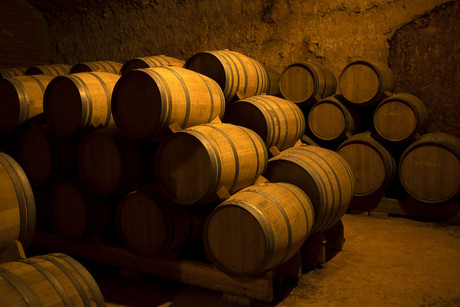
Unlike wine, which generally improves with time, beer does not age well. Within a year of bottling, beer tends to get that unpleasant papery or cardboard-like flavour commonly described as 'stale'.
Now, researchers reporting in the American Chemical Society's Journal of Agricultural and Food Chemistry have engineered lager yeast to make more molecules that protect beer against staling, resulting in improved flavour stability.
Scientists have linked stale beer flavours to aldehyde compounds, such as (E)-2-nonenal and acetaldehyde. Many of these compounds are produced by yeast during fermentation, and chemical reactions during beer storage can increase their levels.
Brewers have tried different approaches to reduce levels of these compounds, such as controlling the fermentation conditions or adding antioxidants, but staling remains a problem for the beer industry.
That's why Qi Li and colleagues wanted to genetically modify lager yeast to produce more of a molecule called NADH. Extra NADH could boost the activities of natural yeast enzymes that change aldehydes into other types of compounds that don't contribute to a stale flavour, the researchers reasoned.
The researchers used a genetic technique called 'overexpression', in which they artificially increased the levels of various genes related to NADH production.
With this method, they identified four genes that, when overexpressed, increased NADH levels.
The team found that beer from the overexpressing yeast contained 26.3 to 47.3% less acetaldehyde than control beer, as well as decreased levels of other aldehydes. In addition, the modified strains produced more sulfur dioxide, a natural antioxidant that also helps reduce staling. Other flavour components were marginally changed.
The researchers said this approach could be useful for improving the flavour stability and prolonging the shelf life of beer.
How AI is changing the way food and beverage manufacturers prevent and manage recalls
Businesses that stand to benefit the most will be those with all their data in one place,...
Lone Star Bakery automates its dessert production line
When a new 'cheesecake in a cup' dessert was a success, Lone Star knew it was time to...
Predictive maintenance delivers savings for soft drink maker
An AI-based condition monitoring solution has been used to prevent downtime, and save bottles and...