Industry-level life cycle assessment of Australian avocado production
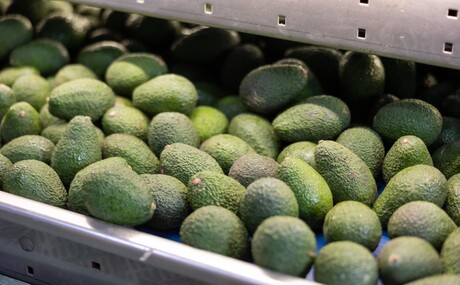
Hort Innovation has partnered with Lifecycles to understand the environmental footprint of Australian avocados, by conducting an environmental life cycle assessment (LCA). This is driven by the increasing need to advance sustainability efforts, guide future strategic investments, meet consumer information demands to support market development and comply with new environmental reporting requirements.
The LCA will provide avocado growers and their industry associations with environmental performance metrics (averages and benchmarks) and details of environmental hotspots and improvement opportunities to inform the industry’s environmental sustainability. It complements other studies also commissioned by Hort Innovation related to industry benchmarking and sustainability strategy.
The LCA will be conducted according to the International Standard for Life Cycle Assessment (ISO14044), which is the recognised method for quantifying environmental impacts over the life cycle of a product. The quantitative information it generates provides the science-based data that decision-makers can use to substantiate sustainability initiatives.
The study will focus on greenhouse gas (GHG) emissions (carbon footprint) and water use/water scarcity impacts (water footprint). It will have two scales: individual case studies and industry-level ones.
The individual case studies will explore different production typologies in detail, while the industry-scale LCA will collect a larger sample of data representing the Australian avocado industry.
John Tyas, CEO of Avocados Australia, values this project.
“This project will help to underpin our sustainability strategy which is currently under development,” Tyas said.
The project will run for about two years, and is funded by Hort Innovation, using the Avocado research and development levy and contributions from the Australian Government.
Charting a path forward for a microbial food industry
Shifting the focus from technologies to predictable regulation strategies is critical for a...
Australian dairy sector mixes up its premium protein selection
Australian milk protein supply has fallen approximately 30% since 2015, and this scarcity is...
Casual hosting promotes convenient snack options: study
New research has provided a snapshot of changing consumer behaviour in Australia and the role...