Australian dairy sector mixes up its premium protein selection
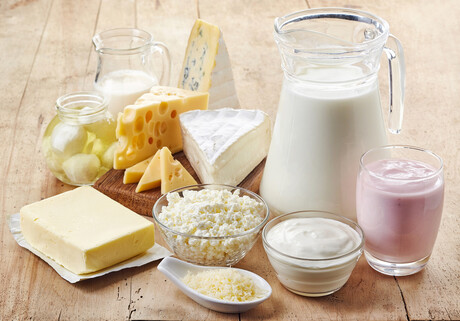
Australia’s ‘cheese-centric’ dairy industry is looking to higher-value uses of milk protein — such as nutritional supplements — as national milk production remains low, according to Rabobank’s latest research.
The report notes a structural decline in Australia’s milk production over the past two decades, which has seen available milk protein fall by approximately 30% since 2015. This is reshaping the country’s dairy product mix, according to the specialist agribusiness bank.
Where cheese has long been the main focus of Australian dairy production, now premium protein products such as protein powders, high-protein beverages and yoghurt are increasingly offering greater value uplift than traditional cheese production, according to the report.
“The strategic question for the industry is shifting from ‘how to process more milk’ to ‘how to extract more value from a limited pool of milk protein’,” RaboResearch division said.
The report author, Rabobank senior dairy analyst Michael Harvey, said the key strategic challenge for the dairy sector is determining what mix of product streams create the greatest value from an increasingly scarce pool of dairy protein.
“Overall, it is important to ensure milk protein is directed to the product stream, customer segment or market that generates the highest return,” he said.
“While cheese remains the dominant use for Australian milk (ahead of drinking milk) and a critical foundation of the dairy sector, ‘protein optimisation’ through use in high-protein products is emerging as the next growth frontier.”
‘Mature’ cheese
Harvey said Australia’s dairy industry “has successfully built a ‘cheese-centric’ model”. However, cheese ‘value creation’ is becoming harder to achieve.
“The sector has long pursued a shift toward a more cheese-focused product mix, supported by investment in cheese processing capacity,” he said.
“Although cheese demand among consumers remains supported at retail level and exports continue to provide opportunity, pricing power is constrained by category maturity, private label growth, import competition and soft global cheese value.
“As a result, although cheese is a protein-rich product, it is often priced according to staple and commodity market dynamics, rather than according to the rising value of dairy protein seen in recent years.”
Although the drivers of future value growth are changing, domestic cheese demand remains a stable and important base for the dairy sector, the report says.
Cheese is a “staple in Australian diets”, Harvey said, with per capita consumption of approximately 10 kilograms annually.
“The domestic cheese market exceeds 270,000 tonnes, with growth driven mainly by retail, where volumes increased from 130,000 tonnes to 202,000 tonnes between 2015 and 2025,” he said.
However, as the cheese category matures, this demand growth is likely to moderate.
Reshaping cheese trade
Constrained milk protein supply is also reshaping Australia’s cheese trade, the report says.
“Increasingly scarce milk protein is also encouraging a more selective approach to Australia’s trade position, where commodity imports help satisfy lower-value applications locally, particularly in food service and processing channels, while domestically sourced milk solids are directed toward higher-value cheese, ingredient and export opportunities,” Harvey said.
Despite a rise in volumes of imported cheese, Australia remains a net exporter of cheese, the report says.
However, it is no longer a “structurally-growing exporter” in volume terms.
“While international demand for cheese continues to expand and cheese remains one of the fastest-growing dairy product categories, Australia’s capacity to participate in this growth is limited by a smaller milk pool and declining exportable surpluses,” Harvey said.
With limited prospects for milk supply growth, Australia’s cheese export strategy needs to become more selective, he said.
“Consequently, the role of cheese exports within the Australian dairy sector is evolving. Rather than pursuing volume growth, exporters are increasingly focused on maximising value from limited cheese export volumes through selective market participation and stronger positioning in markets where Australian dairy can command a premium,” Harvey said.
Future cheese export success will increasingly depend on targeting markets that offer the strongest value returns, the report said, with Asia and the Middle East standing out as key opportunities.
High-protein product growth
Capturing value from whey protein — a co-product in cheese manufacturing — has helped support returns in the cheese stream in recent years, the report said, with global whey prices having been on an extended rally, underpinned by “robust demand from sports nutrition, active lifestyles and health-focused consumers”.
Beyond the “cheese-whey stream”, though, growing consumer demand for other high-protein dairy products provides processors with additional avenues to monetise scarce milk protein.
“In Australia, as in many other markets, protein-focused dairy products are growing significantly faster than conventional dairy categories,” Harvey said.
“This reflects a broader global trend, as consumers increasingly prioritise protein for health, satiety, weight management, muscle maintenance and healthy aging.
“Yoghurt has been the biggest beneficiary, with protein-enhanced products delivering growth rates well above those of standard yoghurt. Cottage cheese is also enjoying a resurgence, supported by its strong protein consumption. Milk has benefited from the trend as well, with high-protein milk recording positive growth despite ongoing declines in conventional drinking milk consumption.”
Harvey said while these products represent an opportunity to “valorise” (create increased value from) whey and dairy proteins, it is not expected there will be a wholesale shift away from cheese production, which continues to be the dominant user of milk solids in most dairy markets.
“Growth in high-protein dairy products is more like to complement than displace cheese production,” he concluded.

The good, the bad and the ugly food buying habits
A recent study with Charles Darwin University (CDU) examines how consumers' religiosity...
Small changes for manufacturing healthier food
Research in the UK suggests that food and drink manufacturers could improve the sustainability...
Flavour-first technology for fruit development
A new flavour wheel tool developed by Queensland researchers will allow consumer taste...