Australian beef remains in strong demand, Rabobank report reveals
Australia’s beef industry is set to remain on a firm footing through 2026 despite record production levels, supported by strong global demand and resilient export markets, Rabobank says in its latest Australian Beef Seasonal Outlook 2026.
The annual report, by the agribusiness banking specialist’s RaboResearch division, says while record supply levels — with high cattle inventories and peak slaughter volumes — present risks, particularly if seasonal conditions deteriorate, continued demand from international markets, led by the United States, is providing an important support for prices.
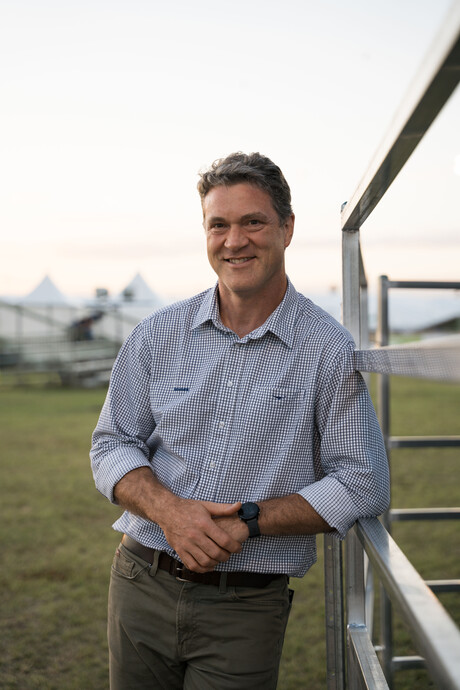
The report’s author, RaboResearch senior animal proteins analyst Angus Gidley-Baird, said successive years of favourable seasonal conditions have allowed the Australian cattle industry to rebuild inventory levels to what RaboResearch believes to be the next cyclical peak.
“This will generate record cattle slaughter and production volumes in 2026,” Gidley-Baird said. “Despite these record volumes, a strong global market is supporting record export prices and, in turn, historically high cattle prices, particularly for finished cattle.”
RaboResearch projects this strong export market will continue through 2026 and into 2027, driven largely by import demand from the US market.
Impacts to watch
The report says inflationary pressures of the Iran war and the impact on consumer sentiment will need to be watched.
“The strong export market is expected to provide support for the Australian domestic cattle market, and we believe should hold prices around levels seen through Q1,” Gidley-Baird said.
A deterioration of seasonal conditions would be the largest risk in the system, he said.
“With high cattle inventory, dry seasonal conditions — like those conditions being experienced in parts of New South Wales — could force producers to sell stock rapidly into a market flush with cattle,” Gidley-Baird said.
Gidley-Baird said the new Chinese import quota for Australian beef for 2026 (205,000 tonnes) will have some timing impacts. Based on current export volumes, RaboResearch believes Australia will reach the quota limit in May or June. This may affect processor-buying activity around that time as they look to pivot to other markets.
While the Middle East is only a small market for Australian beef exports and a relatively small player in global beef markets, Gidley-Baird said the current conflict in the region does have the potential to increase costs and cause disruption in beef supply chains.
“Higher fuel and freight costs may impact sourcing strategies for livestock buyers,” he said. “Inflationary pressures may also impact consumer-spending patterns in export markets. Asian markets are possibly more exposed, given their higher reliance on Middle East oil supplies.”
APPEX 2027 is now open for registrations
APPEX 2027 registrations open for Australia's Processing and Packaging Expo, which is...
Facing the manufacturing workforce challenges of the future
Skills shortages persist as manufacturing workforce demand is expected to grow over 12% by 2035,...
Funding to help expand global demand for Victorian dairy
The Victorian Government has partnered with Dairy Australia on a program designed to help local...