Grape waste for pork sausage preservation?
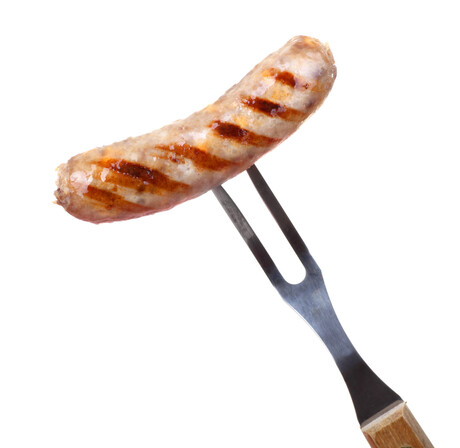
Consumer preferences towards clean-label ingredients are boosting interest in more natural ingredient alternatives for processed meat. Scientists at Iowa State University are therefore exploring if grape pomace could be used as an alternative preservative for pork breakfast sausage.
Grape pomace (GP) is a by-product of winemaking, obtained after pressing white grapes or after fermentation and pressing of red grapes. It represents a rich source of fibre and phenolic compounds, but it also has some antimicrobial and antioxidant properties that are worth exploring further, according to Aude Watrelot, assistant professor of enology in food science and human nutrition at Iowa State University.
Watrelot’s work centres on phenolic compounds and cell wall material and their implication in the food, grape and wine industry. With this study, she wanted to explore how effective GP would be when substituted for current additives in a popular meat product, and then determine if it be would be acceptable for consumers.
To investigate, she worked with Rodrigo Tarté, professor of animal science; Aubrey Mendonça and James Hollis, associate professors in food science and human nutrition; and Brannigan du Preez, a graduate student in food science and technology. Collaborators also include industry advisors to help evaluate the full picture involved in producing GP, from harvesting to processing.
Over two years, the team has studied the effects of two types of GP (white and red), at two different concentrations in the sausage and over different time periods. Both the red and white GP increased shelf life, though the treatments varied in preventing spoilage. Overall, GP altered microbial dynamics, sausage colour and texture, depending on pomace type, the amount used and whether dried vinegar was also added.
They are now looking into how consumers will perceive differences (if any) between pork sausages, with and without GP added, and the acceptability of the different products. The testing will initially focus on the visual aspects and the smell of the sausages, with taste tests to follow.
“We are finding that grape pomace has promise for sustainable uses in the food industry,” Watrelot said. “We look forward to sharing our findings in the next year.”
WA Government offers manufacturing energy investment loans
The Made in WA Energy Affordability Investment Program will provide...
End Food Waste Australia launches membership initiative
The EFWA national membership is designed to help more businesses turn food waste into value...
Online tool to help food businesses turn waste into opportunity
The Food Waste PRO toolkit is designed to help West Australian food businesses measure their...