Making cultivated meat more viable by re-using waste
Cultivated meat (CM) has gained significant attention as an alternative sustainable food source; however, large-scale production has been constrained due to costs associated with the traditional food-grade culture media required for the process.
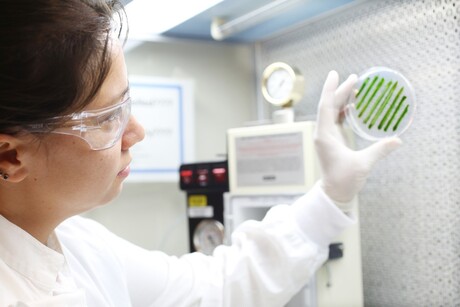
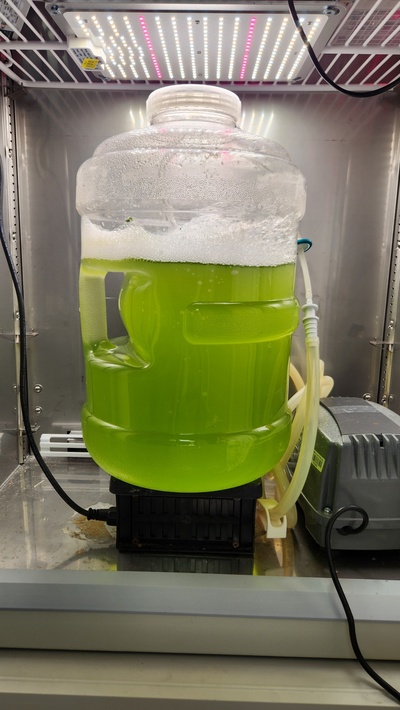
University of Queensland researchers have now found a way to cut costs in cultivated meat production. The researchers found that microalgae can be grown using waste from cultivated meat production, before being processed and fed back into the system, replacing some of the expensive ingredients needed to grow new meat cells.
Dr Melanie Oey from UQ’s Institute for Molecular Bioscience said reducing costs was critical to making cultivated meat commercially viable.
“From our calculations we estimate we can reduce growth media costs somewhere between 60 to 90%,” Oey said.
“The algae could absorb leftover nutrients from the cultivated meat waste while supplying oxygen to meat cells.
"The nutrients harvested from the microalgae could be returned to the system, creating a self-sustaining circular bioeconomy.
"This greatly reduces the need for expensive growth factors and amino acids, which remain one of the largest hurdles getting cultivated meat into supermarkets and onto dinner plates."
In testing, researchers found the system produced more microalgae than was needed for nutrient recycling, potentially creating additional commercial opportunities for cultivated meat producers.
To date, only five countries have approved the sale of cultivated meat, with Australia and New Zealand the latest to give it the green light.
Through an Australian Economic Accelerator grant, UQ researchers are working with cultivated meat producer Magic Valley, which supplied waste material for the project, to explore how the closed-loop system could be integrated into large-scale production facilities.
Magic Valley Head of Research and Development Andrew Laslett believed the research could be transformative for the cultivated meat industry.
“By helping reduce media costs, one of the sector’s most significant barriers, this innovation could accelerate the pathway to commercial-scale cultivated meat production,” he said.
The study has been published in Food Research International.
Krones rebrands its processing technology unit
Krones Group has announced the streamlining of its process technology business under a single...
Refining research helps optimise flavours of edible oils
A research team has identified the odour-active compounds responsible for the soapy and metallic...
Champion pasta maker from the NSW South Coast
Premium dried pasta doesn't just come from Italy; Duro's Gigli has been named Champion...