Six beverage trends predicted for 2026
Friday, 12 December, 2025
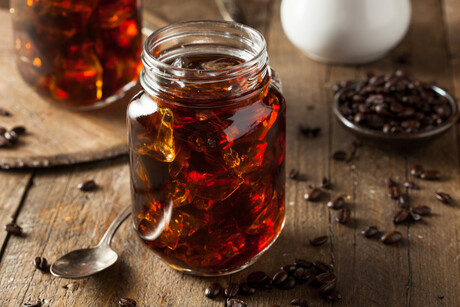
Demand for customisation, the ‘protein-ification’ of beverages and sustainable storytelling are just some of the trends predicted to shape the global beverage industry in 2026, according to B2B natural beverages supplier Finlays.
Finlays’ Global Beverage Trend Report, now in its fifth year, reveals how evolving consumer priorities, technological innovation and cultural shifts are driving change across the beverage landscape.
Megan Conceição, insights analyst and author of the report, said: “The beverage industry is entering an era of rapid transformation, driven by health-conscious consumers, digital convenience and sustainability expectations as a non-negotiable.
“Our Global Beverage Trend Report 2026 unpacks the complex consumer dynamics shaping today’s beverage landscape and provides actionable insights for brands and operators to stay ahead in this dynamic market.”
Here’s a snapshot of the trends heating up in 2026.
1. Health is wealth
In 2026, health won’t just be a priority; it’ll be a lifestyle. From protein-packed drinks and probiotic sodas to the influence of GLP-1 therapies like Ozempic, functionality will be a powerful value driver in 2026.
“Beverage brands and operators looking to capitalise should look to create beverages with science-backed functional ingredients, offer options for customisation, and lean into the perception of tea and coffee as healthy beverages,” Conceição said.
2. LTOs are hot to go
Social media is fuelling demand for vibrant, camera-ready beverages. In 2026, expect to see culturally relevant limited-time offers and bold fruit flavours dominate beverage menus.
“Packaging and storytelling are powerful ways to position beverages as canvases for expression and collaboration. Next year, we’re expecting to see operators experimenting with texture to encourage adventure, while taking their limited-time offering programs to the next level.”
3. Appy hour
Mobile ordering and delivery are already a mainstay, and in 2026 digital convenience is set to reshape beverage experiences even more. Mix-and-match menus, ready-to-drink options, and seamless service will define frictionless beverage experiences.
“Brand owners and operators can tap into this trend by designing mix-and-match menus that meet demand for both speed and personalisation. We’ll also see growth in the use of concentrates and syrups to ensure beverage consistency, at speed.”
4. Convenience is king
Amid economic uncertainty and tighter budgets, consumers will be increasingly seeking beverages that deliver clear value not just through price, but through quality, innovation and values, and — most of all — through convenience that justifies the spend.
“The smart move is to position indulgent beverages as rewards, not just as a splurge, and to use product storytelling that emphasises ingredients, craftsmanship or innovation that justifies your beverage over the competition.”
5. Reel value
Technology and social media continue to reshape the beverage industry, driving automation for efficiency and personalisation, while also creating trends through viral social media content. This is pushing brands to innovate faster and deliver frictionless, data-driven experiences.
“My top tip is to use social media listening to spot emerging trends. But it’s also vital to harness data from apps and loyalty programs to stay ahead of the curve when it comes to tailoring beverage offerings to meet customer demand.”
6. Sipping sustainably
As climate change becomes more personally felt through extreme weather and supply chain disruptions, consumers are increasingly drawn to beverages that prioritise environmental and ethical responsibility through traceable ingredients and supply chains that support positive social change.
“Brands and operators wanting to flex their sustainability credentials should clearly label them on packaging. An emphasis on transparent supply chains and weaving the tangible impacts of social initiatives into storytelling can also help to connect with consumers on an emotional level.”
58% of food manufacturers report less productivity, research finds
Argon & Co research found that Australian food and beverage workers were still doing a lot of...
Humidification solution for Tasmanian Botanics
Australian medicinal cannabis producer Tasmanian Botanics required a solution to control humidity...
How AI is changing the way food and beverage manufacturers prevent and manage recalls
Businesses that stand to benefit the most will be those with all their data in one place,...