Trends in beverage packaging
Tuesday, 19 May, 2026
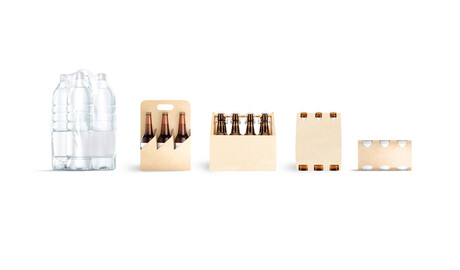
Traditional beverage packaging such as bottles made from glass or PET, aluminium cans and drinks cartons, is changing. Some of the companies exhibiting at the recent interpack event showed that a maximum reduction in material, intelligent barrier functions, digital process control and improved recyclability are among the requirements for new generations of beverage packaging systems.
Weight reduction:
KHS revealed it is pursuing a “premium lightweight” approach and presented Premium Lite, a bottle for still mineral water made of 100% recycled PET, weighing just 6.2 g for 0.25 L. The bottle is designed to combine a minimum use of materials with good aesthetics and has been specifically tailored to the requirements of modern high-speed production lines. This lightweight bottle is produced on the KHS InnoPET Blomax Series V stretch blow-moulding machine.
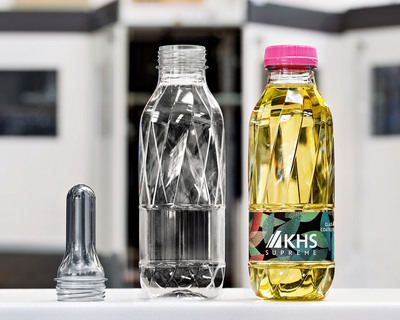
When it comes to product protection and the circular economy, KHS is taking things even further with its Supreme PET bottle. Here, the company uses its Plasmax technology, which applies a silicon oxide coating that is less than 100 nanometres thick to the bottle’s inner wall. The coating acts like glass, protecting oxygen-sensitive drinks — such as green tea — from oxidation and extending their shelf life. At the same time, the bottle is still fully recyclable, as during the recycling process, the glass layer is removed in an alkaline solution without contaminating the PET. The combination of product protection, rPET compatibility and industrial production speeds of up to 60,000 bottles per hour illustrates the extent to which barrier technologies have now evolved towards a circular economy.
Easily recyclable labels:
Along with a reduction in materials, the question of the recyclability of individual components is becoming increasingly important. As an exhibitor at interpack 2026, CCL Label focused on innovations in the circular economy and showed how packaging design can actively support recycling systems. In the area of label and sleeve technology, the company opts for concepts that support recycling. EcoFloat, for example, is a shrink sleeve solution based on low-density polyolefin. During the sink float PET recycling process, the sleeve material floats while the PET flakes sink; this physical separability is crucial in high-quality bottle-to-bottle recycling. Another new feature is the EcoFloat White option for light-sensitive products, which allows bottlers to switch from opaque HDPE or PET packaging to clear PET bottles.
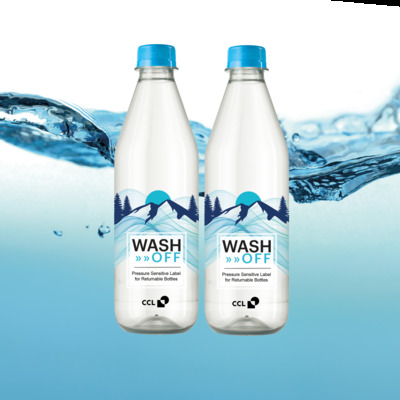
With its WashOff labels, CCL has also helped to address the requirements of industrial washing processes in the reuse and refill sector. The pressure-sensitive labels can be removed in a lye bath without leaving any residue and thus support reusable glass and PET systems. In addition, the EcoShear adhesive technology is designed to improve the recyclability of single-use glass bottles, as self-adhesive film labels are almost completely removable.
Adhesive for high-speed labelling:
The composition of supposedly minor components is also gaining in importance. With a new hot-melt adhesive that does not contain mineral oil, Henkel Adhesive Technologies has designed a solution with a removal rate of up to 98% in the recycling process. Residue is separated from the material flow together with the remains of the labels. The hot-melt adhesive solution is designed to be compatible for both paper and plastic labels and ensure smooth operation at high speeds of up to 40,000 bottles/h while maintaining low processing temperatures of 110 to 140°C.
Replacing labels with laser marks:
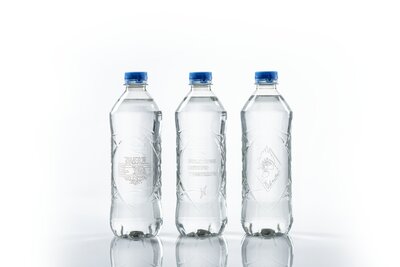
Doing without labels is also now possible. Last year, Krones developed DecoBeam, a solution for marking PET and rPET bottles directly. Relevant information such as the product’s net quantity, ingredients, best-before date and design elements are laser marked directly onto the bottles — which is designed to save material and make packaging easier to recycle. Two laser marking methods are available: CO2 lasers result in a more white-ish colour, while fibre lasers produce black lettering. Logos, graphics and design elements can also be depicted alongside the text.
Krones also offers an alternative to classic labels for glass containers: INKpression transfers ink directly onto the containers themselves. What makes this application so special is that the ink is not applied through a classic printing process: the finished design is peeled off backing material and transferred onto the container as a whole.
Boom in cans continues:
Sales of canned soft and energy drinks are currently experiencing a boom, particularly among younger target groups. Drink cans also have a good recycling rate: over 76% in 2023 and rising, according to figures from two European associations, namely Metal Packaging Europe (MPE) and European Aluminium (EA). Deposit systems have a significant effect here: countries with deposit-return systems achieve recycling rates of up to 90%.
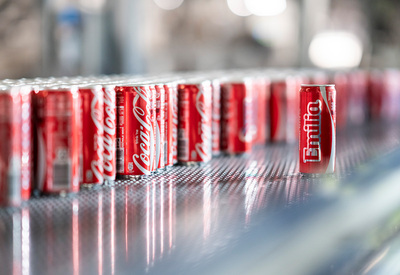
Many beverage manufacturers are currently expanding their range of cans. This year, for example, Coca-Cola Europacific Partners Germany (CCEP DE) is investing in a new canning line at its Halle location, which is expected to go into operation in 2026, when it will supplement the two existing bottling lines for non-carbonated beverages in PET bottles. With this multi-million investment, CCEP DE is responding to an increased demand: last year, sales of canned beverages increased by around 12% compared to the previous year on the German market alone.
Drinks cartons with a good life cycle analysis (LCA):
When it comes to drinks cartons, opinions often differ despite this form of packaging being lightweight, opaque and recyclable with around three-quarters of its material consisting of cardboard fibre — supplemented by barriers that ensure the product is protected and help extend shelf life. According to the German Association of Manufacturers of Carton Packaging for Liquid Foods (Fachverband Kartonverpackung für flüssige Nahrungsmittel e.V., FKN), when it comes to recycling, the industry is more advanced than many believe; the drinks carton has long been part of a functioning cycle, thanks to association companies Tetra Pak, SIG Combibloc and Elopak as well as the Palurec recycling plant at Knapsack Chemical Park. In Germany, around 36,000 tonnes of plastic and aluminium from drinks cartons is thus recycled every year.
Resealable pouches to preserve freshness of cucumbers
StePacPPC's 3-in-1 zipper pouch has been used as a snack pack for baby cucumbers.
Product profile: making multihead weighing easier for operators
Equipment that is easier to operate, easier to clean and simpler to maintain can make a...
Packaging refresh for Victorian craft spirits brand
Peacock Bros has worked with Organic Bay Distillery on a packaging redesign to help strengthen...