Cider industry launches research into apple ancestry
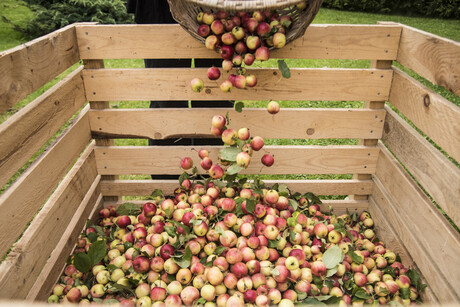
With research showing that some cider apple varieties may be incorrectly named, the Australian cider industry has taken steps in securing its future by checking the identity of cider apple varieties grown across Australia.
In collaboration with geneticists at Washington State University and the University of Queensland, Cider Australia will compare the genetic fingerprints of cider apples in Australian commercial production with global datasets to establish if the varieties are true to type.
Samples are being collected from the cider apple collection at Grove in Tasmania and both private and publicly owned orchards in Orange, New South Wales and other sites. Grove has been a primary source of materials for apple propagation and breeding in Australia and overseas for decades.
Warwick Billings, Cider Australia President, said confirming the identity of cider apples is important for the industry as it expands its plantings of purpose-grown cider fruit which can be used to make premium styles of cider.
“This is a fantastic opportunity to connect with global resources — the collaborative worldwide dataset is now at more than 6000 apple cultivars (ie, officially named varieties in cultivation) and selections — and to build an appreciation for the wealth of genetic materials held in Australia,” Warwick said.
Washington State University’s MyFruitTree research lab will DNA-profile the samples using SNP genotyping technologies developed for use in the US apple breeding programs.
The Grove apple collection has global importance and is the subject of current research on apply variety genetics being led by Professor Cameron Peace of Washington State University. He said Grove is the only known source of several ancestors of worldwide significance.
“The materials must be preserved so they can be used in breeding of new and improved varieties to address future production needs, and the trees are also critical in genomics research to understand the valuable genetic factors they carry,” Peace said.
Craig Hardner from the University of Queensland also uses materials from Grove in his genomic research and is developing a new project that will use the collection as a resource for understanding climate changes adaptation and biosecurity resilience.
Some of the rare genetic factors of Australian heirloom cultivars in Grove are in descendant cultivars such as the Granny Smith, Cripps Pink and Braeburn, while others remain untapped.
“There are several hundred more cultivars in the Grove collection still to be DNA-profiled and I expect more exciting discoveries when these are tested,” Peace said.
Flavour research: AI tool to detect bitterness in peptides
A research team in Germany has developed an AI-based method to predict the bitterness of...
Call for submissions on proposal to add plant sterols to bread
FSANZ is calling for submissions about an amendment to the Australia New Zealand Food Standards...
Advances in the kokumi 'taste sensation' for food
Kokumi is a sensory concept, distinct from the five basic tastes, that has drawn attention lately...