A pinch of saltbush for functional and nutritional benefits
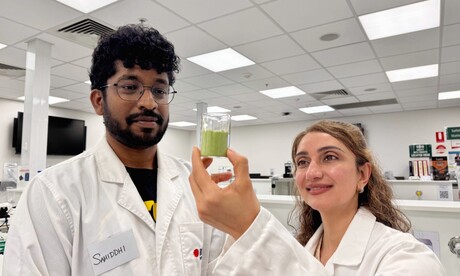
An Australian drought-tolerant shrub, affectionately known as Old Man Saltbush, could help food manufacturers improve protein quality and reduce reliance on added salt in staple foods.
While the saltbush has been used as bush tucker by Indigenous Australians for thousands of years, RMIT University food scientists have now analysed the shrub’s physical and chemical properties to understand how it could be used as a functional food ingredient.
One author of the study, which has been published in Food and Bioprocess Technology, has indicated that the protein quality of saltbush nearly matched the ideal amino acid requirements for human nutrition.
“It is notably high in protein for a plant-based source, matching or outperforming other sources such as soy, pea protein and rice protein, underscoring its potential as a high-quality plant-derived protein option,” said study first author and RMIT PhD candidate Samiddhi Gunathilake.
Saltbush was also found to be rich in minerals such as calcium, iron, phosphorus, zinc and sodium.
Although saltbush powder has a higher fat content, this may also contribute to enhanced texture and mouthfeel in some food products, while saltbush’s green colour could also add visual appeal to foods, he said.
Natural food additive in action
To demonstrate its potential, the team added ground saltbush powder to wheat flour noodles where it improved the pasta’s nutritional value while also acting as a natural salt substitute.
“Our analysis showed saltbush powder contained more than double the protein content of wheat pasta and was eight times higher in dietary fibre,” said the study lead from RMIT, Dr Mahsa Majzoobi.
“This meant, for example, that one serving of wheat pasta with saltbush powder added provided almost half the recommended daily protein intake for an adult.”
Majzoobi said these compositional differences highlight saltbush powder as a nutrient-dense ingredient that can enrich wheat-based products both nutritionally and functionally.
“While legumes are traditionally valued for their essential amino acids — particularly lysine and tryptophan — saltbush was shown to be a strong alternative source with its high protein content and substantial levels of essential amino acids, notably lysine, which wheat products typically lack,” Majzoobi said.
“Blending wheat with saltbush powder therefore offers a strategy for developing products with a more complete protein profile.”
What's next for the functional ingredient?
These promising early lab results now required longer-term validation of gut health and nutritional benefits, as well as practical considerations on consumer acceptance, large-scale processing performance and supply-chain consistency of saltbush powder.
“The next stage of this research will involve expanding the application of saltbush to other food products such as breads, snacks and plant-based protein foods, as well as conducting larger sensory and consumer studies,” Majzoobi said.
“We also plan to collaborate more closely with growers and industry partners to investigate sustainable sourcing, processing optimisation, and scalability.”
If you’d like to get involved with the research, contact research.partnerships@rmit.edu.au.
Flavour research: AI tool to detect bitterness in peptides
A research team in Germany has developed an AI-based method to predict the bitterness of...
Call for submissions on proposal to add plant sterols to bread
FSANZ is calling for submissions about an amendment to the Australia New Zealand Food Standards...
Advances in the kokumi 'taste sensation' for food
Kokumi is a sensory concept, distinct from the five basic tastes, that has drawn attention lately...