Olympic showcase of distinctively local produce set for 2032
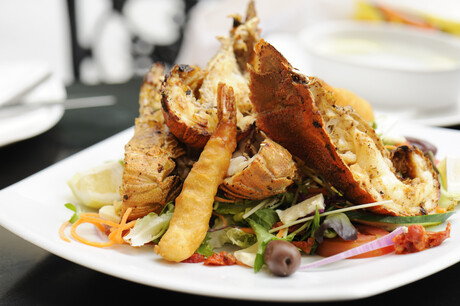
From Mooloolaba prawns and Sunshine Coast macadamias to Granite Belt olive oil, a University of Queensland report details how the Brisbane 2032 Olympic and Paralympic Games could create lasting value for local businesses and communities.
Professor Janet McColl‑Kennedy from UQ’s Business School and Lead of the Innovation Pathways Program at Australia’s Food and Beverage Accelerator (FaBA) led the ‘Feeding the Brisbane 2032 Games’ white paper, which was released on 30 April 2026.
“Feeding the Brisbane 2032 Games is far more than a catering challenge — we want to showcase Queensland’s clean, nutritious and distinctive produce,” McColl‑Kennedy said.
“The Games are a once‑in‑a‑generation opportunity to highlight Australian innovation, strengthen supply chains and deliver a legacy for how food is produced, distributed and experienced.”
As well as expected peaks in domestic tourism to the Brisbane 2032 Games, the white paper recommended identifying food trends among consumers and making Australian produce the star of the meals.
“We could use Queensland-caught seafood on sushi and serve mezze platters with Emerald’s chickpeas, an array of vegetables from the Lockyer Valley and native finger limes,” McColl-Kennedy said.
“Identifying food consumption trends is key to success, such as consumers being more health-conscious and wanting to know where the food is coming from.
“As well as food that tastes good, many consumers want personalised food experiences, so a simple meal of freshly caught fish overlooking a river at sunset can be special.
“By planning early, Brisbane 2032 can balance innovation with ethics, personalise food experiences and build resilient systems for producers, consumers and communities long after the Games are over.”
The report recommends collaborations with Indigenous communities to support the production of native produce, as well as the broader agricultural industry to address worker shortages and resourcing challenges.
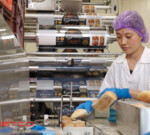
The white paper draws on a roundtable of more than 80 leaders from industry, government and academia to examine food across the business ecosystem, including where and how the food is produced, manufacturing processes, quality controls and workforce capabilities.
The report identifies challenges including supply chain resilience, sustainability expectations, workforce shortages, climate risk and rising costs, and provides 57 recommendations for policy and practice.
It also explores how technologies such as artificial intelligence, digital traceability and data‑enabled logistics could support personalised food experiences while reducing food waste and improving efficiency.
UQ Vice-Chancellor Professor Deborah Terry AO said, “With the right investment and coordination, decisions made now can deliver a stronger, more resilient food system that delivers benefits for regional development and industry capability well beyond 2032.”
The white paper can be downloaded here.
Small changes for manufacturing healthier food
Research in the UK suggests that food and drink manufacturers could improve the sustainability...
Flavour-first technology for fruit development
A new flavour wheel tool developed by Queensland researchers will allow consumer taste...
2026 Melbourne Royal Australian Food Awards unveiled
Black garlic honey, fruity sourdough and salted walnut ice cream were some of the standouts from...