Nutrient content claims on alcohol, Australian research
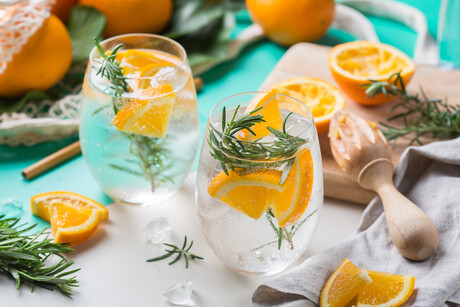
Two new Australian studies from The George Institute for Global Health and UNSW have revealed a shift in how the alcohol industry is positioning its products. One of the studies found that ‘low sugar’, ‘low carb’ and ‘low calorie’ claims on alcohol products are making consumers more likely to perceive those products as healthy, despite the alcohol content.
Testing the effects of nutrition-related claims
In the first study, published in Health Promotion International, researchers surveyed over 2000 Australian drinkers in a nationally representative sample. Participants were shown alcohol products with and without nutrition-related claims and asked to rate how healthy they considered each product. The results showed that consumers were nearly three times more likely to rate a product as healthy when it carried a carbohydrate claim and more than twice as likely when it carried a sugar claim — this was despite the fact that every product in the experiment contained identical levels of alcohol.
The study notes that Australia currently permits these claims on alcohol products while the EU and UK have banned nutrient content claims on alcohol, and the issue is under active consideration at the Codex Alimentarius Commission, the international body that sets global food labelling standards.
Trends in zero alcohol products
The second study, published in Drug and Alcohol Review, tracked the growth of zero-alcohol products across Australian supermarkets and bottle shops between 2022 and 2024. Researchers found that alcohol-branded zero-alcohol products now account for 59% of all zero-alcohol drinks available in Australian supermarkets, up from 37% in 2022. In alcohol stores, the range of zero-alcohol products more than doubled over the same period, growing from 110 products in 2022 to 261 in 2024.
Because alcohol cannot legally be sold in most Australian supermarkets, zero-alcohol versions of alcohol brands occupy a regulatory grey zone that allows them to sit on supermarket shelves alongside soft drinks and juices. According to the research, more than half of Australian 14- to 17-year-olds have seen zero-alcohol products in supermarkets, and more than a third have tried one. There are currently no legal restrictions on selling these products to minors.
“Supermarkets have always been considered a protected space from alcohol promotion. What we are seeing now is that protection being quietly eroded. These products carry the same branding, the same packaging and the same brand associations as their alcoholic counterparts. The exposure is real, and the regulatory framework has not kept pace,” said Professor Simone Pettigrew, The George Institute for Global Health.
Wine mentoring program underway in NZ
The program matches mentors with mentees who are looking to take the next step with their careers...
ACCC alleges anti-competitive conduct by Australian egg producer
The ACCC has initiated civil action over its allegations that Australian egg producers have...
State govt backs food manufacturers in Melbourne’s north
The Victorian Government has announced support for three of its local food manufacturers,...