Why AI won't replace food compliance professionals — and why that's exactly how it should be
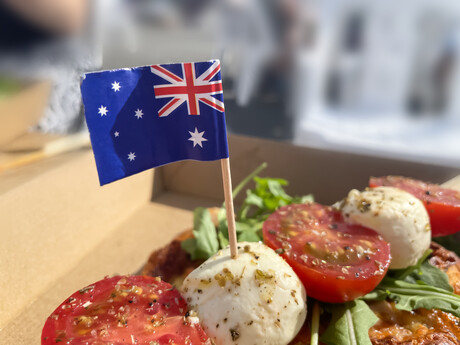
If there’s one thing the recent attention on Country of Origin claims has reminded the food industry, it’s this: compliance is becoming more visible, more scrutinised and more important than ever.
Whether it’s country of origin, allergen declarations, nutrition information, environmental claims or retailer requirements, the expectations placed on food manufacturers continue to grow. At the same time, businesses are under constant pressure to bring products to market faster with leaner technical teams and increasing product complexity.
It’s no surprise that AI has become one of the biggest talking points in the industry.
The question we're increasingly asked isn’t “Can AI review my labels?”, it's “Can AI replace my compliance team?”.
The answer is no.
And that's exactly how it should be.
AI is a powerful assistant — not the decision-maker
Food compliance isn’t simply about checking whether mandatory information appears on a label. It requires interpretation, judgement and an understanding of context.
Regulations evolve. Guidance changes. Retailer requirements differ. Marketing claims depend on how they’re presented. A compliant outcome often relies on understanding the intent behind both the legislation and the product.
That’s why the role of experienced quality, regulatory and technical professionals isn’t going away.
Instead, AI should allow them to spend less time on repetitive administration and more time applying their expertise where it matters most.
The real problem isn’t compliance — it’s the workflow
After more than 20 years advising food businesses, one pattern continues to repeat itself. Product information lives everywhere:
- Specifications are in one spreadsheet.
- Artwork is in another email chain.
- Supplier information arrives in multiple formats.
- Approvals happen across disconnected documents.
The compliance review itself is often only a small part of the overall process. The biggest challenge is coordinating the people, documents and decisions needed to get a product to market.
That’s where AI can make the greatest impact.
Rather than replacing technical experts, AI can review structured information, identify potential issues, highlight missing data and automate repetitive tasks before a human ever needs to step in.
Country of Origin is a timely reminder
The recent focus on Country of Origin compliance highlights why businesses can’t afford to treat compliance as a final label check before print.
Country of Origin claims depend on accurate source information flowing through the product development process. If supplier information changes, or ingredients are substituted, those downstream claims may also need to change.
AI can quickly identify inconsistencies and flag potential issues.
But determining whether a claim is appropriate still requires the knowledge and accountability of experienced compliance professionals.
Technology should help organisations identify risk earlier — not make compliance decisions on their behalf.
Human expertise remains the competitive advantage
The businesses that will benefit most from AI won’t necessarily be those that automate the most.
They’ll be the organisations that combine technology with experienced people and robust compliance processes.
AI can dramatically reduce manual administration, surface potential risks and improve consistency.
Humans provide judgement, accountability and confidence.
Those aren’t competing strengths — they’re complementary ones.
As the food industry continues to embrace AI, success won’t come from replacing compliance professionals.
It will come from giving them better tools to do what they do best.
SAVE FOOD Initiative award winners from interpack
The global winners of the inaugural SAVE FOOD Initiative global award competition were announced...
AIFST26 and foodpro 2026 bring science and industry together
Grow, Learn, Connect and Champion; that's the theme for the AIFST2026 food science and...
Five trends reshaping the snack food industry
Many consumers are demanding more from their snacks: more function, flavour and transparency...