Could seaweed reduce methane emissions from cows?
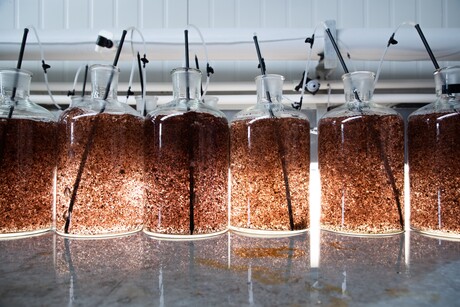
The dairy industry has struggled to reduce emissions from cows for more than a decade. In a step towards a potential solution, Fonterra is partnering with Sea Forest, to determine if using seaweed in cows’ feed can reduce emissions from commercial dairy herds. Asparagopsis, a seaweed grown naturally in Australia and New Zealand, will be used as a supplement feed for herds in Tasmania during the coming milk season.
Laboratory testing led by CSIRO has revealed that the seaweed has the potential to reduce the emissions from cows by more than 80%. Jack Holden, Sustainability Manager for Fonterra Australia, said helping farmers produce milk more sustainably is a priority for Fonterra.
“Most dairy farming emissions come from the methane cows produce as they digest their feed. Early testing shows the potential for these emissions to be reduced by incorporating natural seaweed into cows’ diets, so we are keen to see if those test results can be replicated in dairy herds at scale,” Holden said.
Sam Elsom, founder of Sea Forest, expressed his excitement about the partnership with Fonterra. Elsom said the company partnered with Fonterra because of their commitment to sustainability and innovation.
“We’ve been developing this product for 18 months, so commencing this trial is a real milestone for us. This is the first trial we’ve engaged with and we hope it can assist in improving research in this space and bring us closer to commercialising this product as a feed supplement, to significantly reduce the carbon footprint of milk production,” Elsom said.
FSSC Certification Scheme now includes Save Food Packaging
FSSC, WPO and AIP have united to introduce Save Food Packaging requirements into Version 7 of the...
Upcycling cauliflower waste into protein ingredients for future food
RMIT researchers have developed an ultrasound method to extract protein from discarded...
Aussie wrapping solution for pallets designed to save waste
Melbourne-based founder of the frank green re-usable water bottle has now developed a re-usable...