Metal detection selection to support food safety
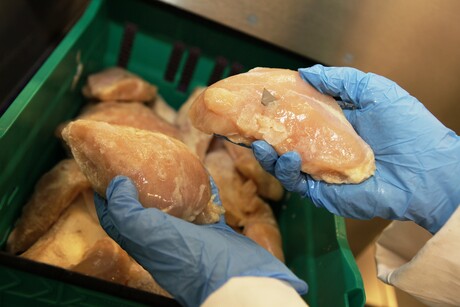
New Zealand food metal detector manufacturer Fortress Technology understands the challenges of inspecting for metal contaminants on food processing lines. This includes the link between automation and why metal remains the biggest and most likely contaminant risk encountered in food processing and packing facilities.
When it comes to HACCP (Hazard Analysis and Critical Control Points) inspection machine choices, the options can seem overwhelming. Yet, metal detection remains a critical CCP, as metal can be introduced at any phase of production, from cutting meat, filleting fish, grinding spices or mixing dry and wet ingredients. A metal detection system is normally the first line of defence.
Calculating the true cost of a food recall is challenging, as no incident is the same as the next. Variables include the scale of distribution, the number of customers affected, the stage in the supply chain where the item is recalled, any fines or penalties incurred, and the drain on resources and business interruption at the production plant.
Supply chain transparency and the speed in which the source of a metal contaminant is pinpointed is imperative and can minimise the damage to brand reputation.
When considering an investment in food metal detectors, select technology that reflects the most prevalent contaminant risks. It is equally important to investigate the long-term service costs and upgrade options. A locally based machinery supplier with strong R&D capabilities and experience can be invaluable.
Five key inspection strategies
1. Select inspection equipment with built-in record keeping
Look for systems that will track and record rejects, tests and settings. This type of software facilitates the documenting of potential product risks and helps to narrow the timeframe during which a problem can go undetected. Detailed records can be invaluable during investigations, helping clarify what happened and when, while also reducing how much suspect product must be discarded or recalled.
2. Choose the correct reject system
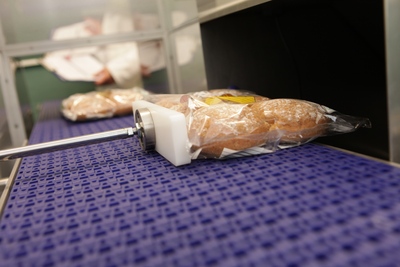
The type of reject device used will depend on multiple factors, including pack size, weight and shape, whether the product is free-flowing or packaged, the factory layout, size and floor space, as well as line pitch, speed and belt width of the conveyor.
3. Test machine performance automatically
If a fault with the reject system means that a contaminant is detected but not rejected, the line should stop automatically until the situation is resolved. Both detector performance and fail-safe capabilities should be tested regularly, ideally complemented with an automated test system like Halo Automatic Testing. This helps to increase the frequency and quality of verifications while also removing the risk of human error and workplace injury at critical control points — ultimately ensuring compliance with industry standards.
4. Watch for false rejects
Be sure that when a line stops because of detected metal, there is really an issue to address. Technologies like simultaneous multi-frequency enables producers of conductive products like meat, dairy and prepared foods to combine maximum detection sensitivity with minimal false rejects.
5. Ask about sustainability and product lifecycle compatibility
The longevity of an inspection system is heavily influenced by build quality. Some of the earliest analog Fortress Technology food metal detectors installed nearly 30 years ago continue to operate today. As part of the Fortress Never Obsolete commitment, they have been upgraded over time with efficient digital features. Long-term compatibility and upgrade paths should play a key role in the equipment selection process.
58% of food manufacturers report less productivity, research finds
Argon & Co research found that Australian food and beverage workers were still doing a lot of...
Humidification solution for Tasmanian Botanics
Australian medicinal cannabis producer Tasmanian Botanics required a solution to control humidity...
How AI is changing the way food and beverage manufacturers prevent and manage recalls
Businesses that stand to benefit the most will be those with all their data in one place,...