Bacardi uses new technology for glass bottles to save emissions
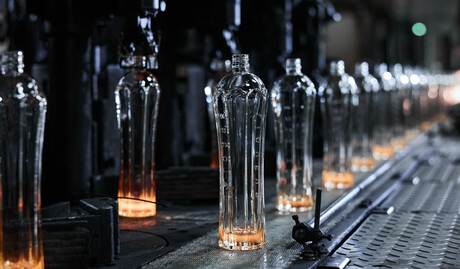
Bacardi worked with glassmaker Hrastnik1860 on a new technology that powered a glass furnace with hydrogen as its primary energy source, cutting greenhouse gas emissions typically produced as a by-product of glass bottle production.
The bottle, which for the purposes of the trials was the ST-GERMAIN elderflower liqueur bottle, is identical in appearance to the bottle produced using traditional methods.
Over the course of the trial, which produced 150,000 of the brand’s 70 cL (700 mL) glass bottles, hydrogen contributed more than 60% of the fuel for the glass furnace, cutting GHG emissions by more than 30%.
Rodolfo Nervi, Vice President, Safety, Quality and Sustainability for Bacardi, said the learnings from the trial will be used to create a pathway to hydrogen-fuelled class production.
“Successfully producing lower emission, premium glass bottles at a commercial scale, with absolutely no compromise on quality, has made all the hard work worthwhile. Like Bacardi, we are committed to developing new innovations that lower emissions while maintaining premium quality. This revolutionary technology proves the two can go hand in hand and we are now taking the first steps in bringing it to market,” said Peter Čas, CEO, Hrastnik1860.
SMaRT-Pack centre to help drive sustainable packaging transition
Led by Monash University, the research centre has been launched to focus on the adoption of...
Peacock Bros. and insignia to unite under one roof in Victoria
Peacock Group is building a purpose-built facility in Dandenong South which is set to bring...
International Day of Awareness of Food Loss and Waste
AIP is recognising International Day of Awareness of Food Loss and Waste on 29 September 2026,...