Halal food companies use blockchain for traceability
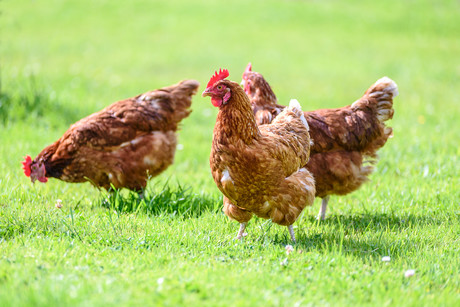
Traceability in the supply chain is a concern for all consumers, but it is particularly important to ensure that halal food is from reliable and certified sources.
TE-FOOD and UK-based HALAL TRAIL recognised this, and partnered to track chickens and lambs from farm to table to confirm halal food is prepared according to Islamic law.
There are two billion Muslims worldwide and it is estimated that the global halal food market will reach US$2.55 trillion by 2024.
The top-to-bottom solution combines food traceability with blockchain technology — where all traceability data will be stored to verify its credibility — to reassure consumers about the origins and preparation of their food. This includes physical identification materials such as security seals, and mobile apps for both farms and distributors, and consumers.
This month, HALAL TRAIL will use TE-FOOD’s technology on two pilot projects that track chickens and lambs in Lancaster, Tunbridge Wells and Manchester in the UK as a reference to be implemented globally.
Platform launches in Australia to help lift automation adoption
Robotics Australia Group has launched an initiative that is designed to take the guesswork out of...
Arnott's Group celebrates its suppliers at Sydney event
The Arnott's Group has celebrated the contributions of its supply partners across operations...
Top 6 impacts of robots, revealed in IFR position paper
The International Federation of Robotics' latest position paper reveals how robots can have a...