Stop the inventory chaos: bringing control to random weight protein processing
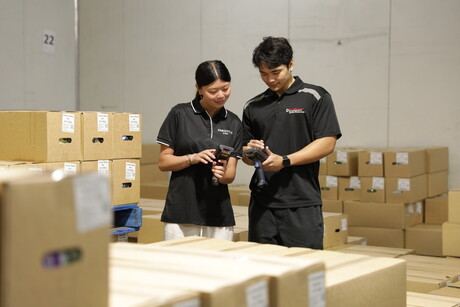
Meat, poultry and seafood processors work in some of the most demanding environments in food manufacturing. Variable product weights, short shelf life, strict traceability requirements and ongoing labour pressure all add to operational complexity.
Yet many facilities still rely on a mix of disconnected systems, spreadsheets and manual processes to manage production, inventory and dispatch. As volumes increase and margins tighten, gaps in visibility and control become harder to manage.
The result is often operational friction, duplicate data entry, delayed decisions and reduced confidence in the numbers.
The reality of random weight production
Protein processing presents a unique challenge: no two units are the same. Products need to be tracked not just by quantity, but also by weight and, increasingly, by individual identity.
Traditional inventory systems, designed for standardised goods, often fall short in this environment. Tracking quantity alone can create inconsistencies between physical stock and system records, leading to time-consuming reconciliations and a higher risk of error.
For many processors, this is where ‘inventory chaos’ begins, when systems are not built to reflect the reality of the product.
Connecting the plant, end to end
Across the industry, there is a growing shift towards more connected plant operations, where production, inventory, quality and dispatch are managed within a single environment.
Solutions such as ExPCS: Existco Plant Control System are designed with this approach in mind, bringing these functions together so information can flow across the plant without constant manual hand‑offs.
With a connected approach:
- Data is captured once and used across multiple functions
- Teams work from the same real-time information
- Production can be monitored as it happens
- Issues can be identified earlier and resolved faster
This level of integration is designed to reduce reliance on manual workarounds and provide a clearer view of what is happening on the floor.
In random weight industries, inventory accuracy is critical, not only for operational efficiency, but also for compliance confidence and customer assurance.
This is where Triple Dimension Inventory Tracking is designed to help. Instead of tracking inventory as “quantity only”, ExPCS is designed to track three attributes for every inventory unit: Quantity + Weight + Serial Number (unique identifier).
That extra layer of detail matters in meat, poultry and seafood operations, where variable weights are the norm and every unit can change form as it moves through the plant. By maintaining these three dimensions through inventory movements and processing steps, teams can work from a more complete view of stock.
With this level of control, processors can:
- Improve stock accuracy and reduce discrepancies.
- Strengthen traceability from intake through to dispatch.
- Better understand yield and cost performance.
- Respond more confidently to audits and customer requirements.
- Rather than relying on estimates or manual adjustments, give teams access to precise, current inventory information that reflects what is actually on hand.
- Reduce manual effort across operations.
Manual processes remain a common source of inefficiency across processing facilities. Paper-based workflows and spreadsheet tracking can slow down operations and increase the risk of errors, particularly as production scales.
By moving towards automated data capture and digital workflows, processors can reduce administrative workload. Information is recorded as part of the process rather than after the fact, which improves both speed and accuracy.
The practical benefit is straightforward: less duplication, fewer corrections and faster access to the information teams need to keep production moving.
Doing more with the same team
Labour constraints continue to shape how food manufacturers operate. With limited capacity to increase headcount, many businesses are focusing on improving how work gets done.
Greater visibility and automation support more efficient operations without adding complexity. Instead of relying on manual checks and rework, staff can focus on higher‑value tasks that support production outcomes — quality checks, line performance, yield control and customer fulfilment.
In practice, this can lead to:
- Increased throughput without adding the same level of admin effort
- Fewer errors and less rework
- Reduced operational pressure on teams
- More consistent day‑to‑day performance
- Supporting controlled growth
As demand grows, maintaining control becomes increasingly important. Disconnected systems and manual processes can make it difficult to scale without introducing risk.
A more integrated approach provides the structure needed to support growth while maintaining accuracy and traceability. With the right systems in place, processors can expand operations with greater confidence, without the chaos that often comes from disconnected tools.
When production outgrows storage: the food and beverage warehouse challenge
Food and beverage manufacturers consistently prioritise production space over warehouse space,...
AI is quietly reshaping retail and consumers may not even realise it
Dematic says AI and automation are transforming how products are stocked, moved and delivered as...
Engineering a large-scale bulk handling system for a new production line
Adding a new production line for snack food requires more than just installing new processing...