Sustainable food model for localised production in Brisbane
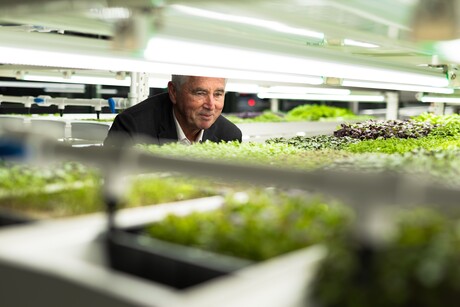
Greenspace has developed an urban farming model that is designed to bring food production right next door to where it is consumed. A commercial integration of its centralised Macrofarm has now been launched at the Amora Hotel in Brisbane, which follows other installations in Sydney and Melbourne.
Macrofarms are designed to transform underutilised urban spaces into optimised hydroponic farms which grow diverse produce year-round in indoor environments. The ready-to-harvest produce is then distributed locally to smaller Microfarms (hydroponic cabinets) that are located within hotels, workplaces, restaurants and retail environments, where it remains living and until harvested based on demand.
The Microfarm redefines how organisations approach food, sustainability and ESG. It enables hotels like the Amora Hotel Brisbane to grow, maintain and harvest living produce like micro greens, herbs, lettuces, and Australian natives onsite.
Peter Fox, Founder and CEO of Greenspace, said: “We’re shifting from a framework where buildings simply consume resources, to one where they actively produce them as well. It’s a model that makes both commercial and environmental sense for some of our customers like Amora, Sofitel, the Greenbank SC and W hotel.
“By embedding networked food production into a community, we’re reducing supply chain reliance and food miles, while improving nutrition, consistency and quality for that urban environment.”
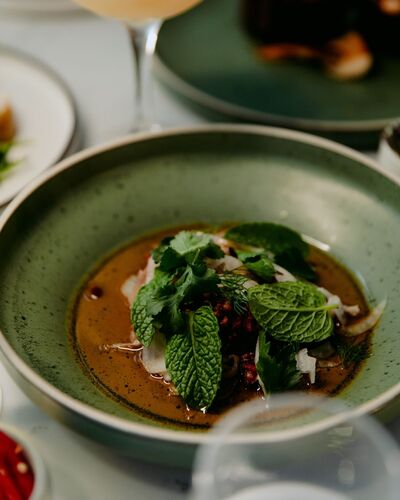
John Bristowe, General Manager at Amora Hotel Brisbane, said the Greenspace Urban farm is reshaping how the hotel approaches both sustainability and food operations.
“Sustainability is an important part of our hotel’s ongoing journey, and working alongside Greenspace allows us to further embrace ideas that are practical, purposeful and aligned with the future of hospitality. This collaboration is a wonderful example of how businesses can work together to create something meaningful for guests, visitors and the wider Brisbane community.”
Traditionally, greenery in commercial buildings has been decorative, it’s a hard cost with limited functional return. Greenspace’s model replaces this with productive, edible systems, allowing buildings to operate as part of the food supply chain.
Flavour-first technology for fruit development
A new flavour wheel tool developed by Queensland researchers will allow consumer taste...
2026 Melbourne Royal Australian Food Awards unveiled
Black garlic honey, fruity sourdough and salted walnut ice cream were some of the standouts from...
Research study examines no-sugar sweetened soft drinks
A clinical study conducted by University of Liverpool compared non-nutritive sweetened beverages...