Nestlé develops method to reduce fat in dairy ingredients
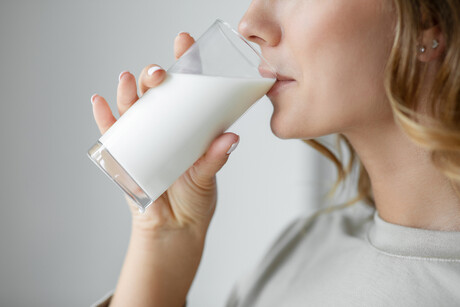
Nestlé R&D teams have now found a way to reduce the fat present in milk powder by up to 60%, without compromising on quality, taste and creamy texture. Key to this innovation is the controlled aggregation of milk proteins, where the size and texture of milk fat is mimicked by protein.
The fat reduction leads to lower calorie levels compared to full-fat milk.
“Leveraging our expertise in nutrition science and product development, we have successfully introduced this proprietary technology in Ninho Adulto in Brazil and reduced the level of milk fat in the product significantly. Our new milk brings creaminess and mouthfeel and is preferred by consumers,” explained Isabelle Bureau-Franz, Nestlé’s Head of R&D for the Nutrition Business.
Laurent Alsteens, Global Category Head in Nestlé’s Nutrition Strategic Business Unit, added: “This innovation revolutionises the way our consumers can enjoy dairy products while improving their experience. It marks an important milestone in our approach to offer healthier options without compromising on the taste that consumers love.”
Nestlé’s fat reduction method is just one of many science-based solutions developed by the company’s R&D experts. These include an enzymatic process to reduce intrinsic sugars in key ingredients, as well as a proprietary micro-aeration technology that increases the creaminess of chocolate while also meeting consumer taste preferences.
Charting a path forward for a microbial food industry
Shifting the focus from technologies to predictable regulation strategies is critical for a...
Australian dairy sector mixes up its premium protein selection
Australian milk protein supply has fallen approximately 30% since 2015, and this scarcity is...
Casual hosting promotes convenient snack options: study
New research has provided a snapshot of changing consumer behaviour in Australia and the role...