Natto your average Japanese superfood
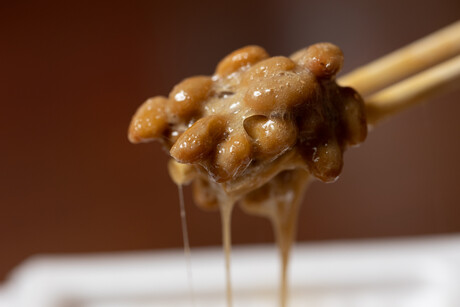
Supersulfide molecules, metabolites from plants that are important in cellular metabolism, are attracting attention in the medical and nutritional fields for their potential in supporting health and disease prevention. Natto, a Japanese food made from soybeans fermented with the Bacillus subtilis var. natto microorganism, is rich in these molecules. However, the mechanism by which they are produced during fermentation has remained unclear.
To better understand this complex process, a research group led by Professor Hideshi Ihara at Osaka Metropolitan University’s Graduate School of Science analysed supersulfide content in natto fermentation using various methods. The researchers first compared supersulfides in dried soybeans from three different suppliers and four commercial natto brands. The supersulfides in the soybean variants did not have significant differences. Comparatively, the natto samples showed higher supersulfide content and varying levels between brands. The team then observed supersulfides during the fermentation process using Bacillus subtilis var. natto in homemade natto from two dried bean samples.
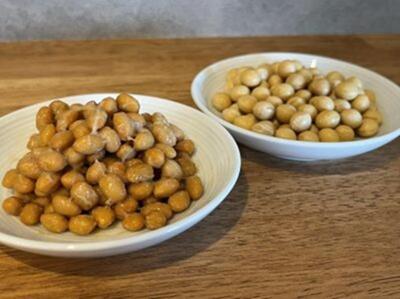
Results revealed an increase in soybean supersulfides, indicating that natto bacteria actively convert other sulfur molecules into supersulfide molecules by breaking down soybean proteins and other substances. Further, it was found that soybeans that underwent heat treatment had an increase in supersulfides before fermentation.
“This achievement is the world’s first demonstration that microbial fermentation dramatically alters the supersulfide molecule profile of plants,” Ihara said.
The study was published in Nitric Oxide.
Small changes for manufacturing healthier food
Research in the UK suggests that food and drink manufacturers could improve the sustainability...
Flavour-first technology for fruit development
A new flavour wheel tool developed by Queensland researchers will allow consumer taste...
2026 Melbourne Royal Australian Food Awards unveiled
Black garlic honey, fruity sourdough and salted walnut ice cream were some of the standouts from...