Coles launches carbon-neutral certified beef range
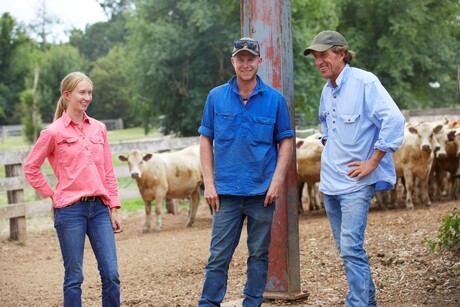
Coles has launched its own-brand carbon-neutral beef product range that has been certified as carbon neutral from paddock to shelf according to the Australian Government’s Climate Active Carbon Neutral Standard.
Coles and beef farmers have worked together to calculate and reduce the emissions from the farms. In addition to the beef being carbon neutral, its packaging is fully recyclable and is made from 90% recycled and plant-based sources, from packaging provider Plantic.
“Coles Finest Certified Carbon Neutral Beef is a testament to the hard work of our beef producers and their commitment to sustainable practices, and we’re thrilled that they’re taking this important step with us,” said Coles CEO Steven Cain.
Coles has helped farms with a move towards carbon neutrality through the implementation of renewable energy, changes in herd management practices and the use of genetic selection for improved herd health.
It has also worked with Dr Stephen Wiedemann, Principal Research Scientist at Integrity Ag & Environment, to look at ways of planting trees and vegetation to reduce carbon emissions from beef farms via carbon sequestration.
The beef range will carry the Climate Active stamp, to signify that the beef has been certified as carbon neutral.
“It’s great to see new carbon neutral products emerging in the market, providing more sustainable options for consumers. Reducing emissions is a shared responsibility, and it is encouraging to see Australian organisations like Coles doing their bit,” said Climate Active spokesperson Conrad Buffier.
The carbon-neutral beef range includes seven cuts, from eye fillet to porterhouse steaks. It will be available this week as a limited release in Victorian stores and will be rolled out countrywide over the next 12 months.
Flavour-first technology for fruit development
A new flavour wheel tool developed by Queensland researchers will allow consumer taste...
2026 Melbourne Royal Australian Food Awards unveiled
Black garlic honey, fruity sourdough and salted walnut ice cream were some of the standouts from...
Research study examines no-sugar sweetened soft drinks
A clinical study conducted by University of Liverpool compared non-nutritive sweetened beverages...