Boosting food security ahead of the 2032 Summer Olympics
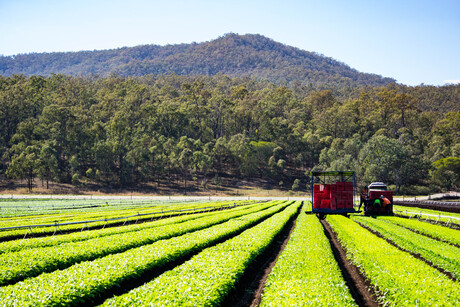
Events such as the Olympic Games create a temporary surge in food demand, so careful planning at all stages of food production and distribution is crucial to ensure there is no impact on the nation’s food supply.
The South East Queensland (SEQ) Food System Strategy — developed in partnership with the Council of Mayors South East Queensland (CoMSEQ) and regional stakeholders — sets out a strategy to boost the region’s food security ahead of the 2032 Olympic and Paralympic Games.
While the strategy focuses on 11 local government areas across SEQ — Brisbane, Ipswich, Lockyer Valley, Logan, Moreton Bay, Noosa, Redland, Scenic Rim, Somerset, Sunshine Coast and Toowoomba — it also offers a model that could be replicated in regions across the country where food is produced or manufactured.
Lead author and CSIRO scientist Dr Cathy Robinson said the strategy marked a shift away from fragmented planning towards coordinated, region-wide action and was vital to respond to climate volatility, rapid population growth and increasingly fragile supply chains.
“Achieving sustainable resilient food goals can’t be achieved with a piecemeal approach,” Robinson said. “If Australia is to achieve reliable, affordable and sustainable food in the decades ahead, we need systems-thinking where production, processing, transport, consumption and waste are planned together, not in isolation.”
She said South East Queensland (SEQ) was a critical showcase.
“With the region’s population projected to exceed six million by 2046, pressure on land, water, infrastructure and supply chains will intensify and be compounded by global uncertainties and events such as the Games, which will place unprecedented demand on food supply and logistics," Robinson said.
“Feeding a growing region — and ensuring success for world events like the 2032 Games – won’t happen by accident.
“It requires deliberate collaboration across the whole food system, from farmers and manufacturers to retailers, councils and consumers.”
The SEQ Food System Strategy identifies three priority areas for immediate action:
- Strengthen SEQ as a resilient food bowl by protecting key agricultural land and infrastructure and ensuring affordable, nutritious food for all.
- Feed population growth and major events, including the Brisbane 2032 Olympic and Paralympic Games, while strengthening supply chains and showcasing SEQ’s food identity.
- Build a globally competitive food innovation system by connecting data, research and industry, embracing circular solutions and elevating Indigenous food knowledge
The strategy, which builds on the work of CSIRO’s Towards a State of the Food Systems Report for Australia, was about more than economics, said co-author CSIRO’s Dr Peggy Schrobback. “The food system supports jobs, community wellbeing, cultural identity and people’s access to healthy, nutritious food. Even the most productive regions are vulnerable if supply chains falter or planning is misaligned,” Schrobback said.
Small changes for manufacturing healthier food
Research in the UK suggests that food and drink manufacturers could improve the sustainability...
Flavour-first technology for fruit development
A new flavour wheel tool developed by Queensland researchers will allow consumer taste...
2026 Melbourne Royal Australian Food Awards unveiled
Black garlic honey, fruity sourdough and salted walnut ice cream were some of the standouts from...