New alt-protein facility to use fungi fermentation
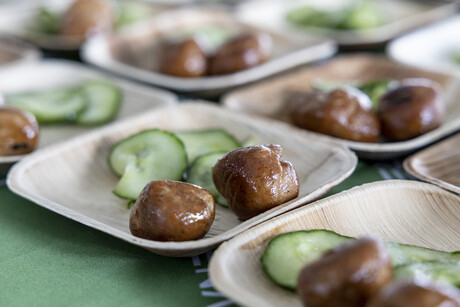
Tetra Pak is teaming up with Mycorena to build a greenfield facility for the production of new meat alternatives. Located in Falkenberg, Sweden, the plant will use fungi fermentation to produce products with lower GHG emissions, land and water use compared to the production of traditional protein sources.
The factory’s first phase will include mince-based products that will serve as ingredients for making alternative meat products. Mycorena also has plans to expand its production capacity and extend its geographical reach by opening new factories across Europe and Asia in the near future.

Charles Brand, Executive Vice President for Processing Solutions & Equipment, Tetra Pak, commented: “We are very excited to be working with Mycorena on this project for the innovation and advancement of the food supply chain that aligns with all three areas of our purpose — protecting food, people and the planet. The process of fungi fermentation utilises microorganisms that are bioprocessing powerhouses which can create high-quality, nutritious proteins. They may be small, but they have the potential to make a big impact on building a more robust and diverse food system, cementing a better future for all.”
Dr Ramkumar Nair, Founder and CEO, Mycorena, added: “Fungi fermentation is the future of the food industry and we are proud to be revolutionising this space. This new fermentation facility is a state-of-the-art production plant, which provides us with a technology blueprint that will be further expanded in Sweden and replicated globally. For such an ambitious journey, Tetra Pak is the ideal partner for us, not only because of their cutting-edge expertise in processing, but we also have a shared ambition to develop a more sustainable food supply chain.”

Fungi fermentation is one aspect of food fermentation, which takes natural, age-old processes and uses microbiology to turn microorganisms into tiny production centres that make protein-rich products including alternatives to meat, seafood and dairy. The process also serves to improve texture and taste of traditional plant-based food products.
Beverage facility built to keep the good times rolling
Aussie-owned since 1965, Eastcoast Beverages has entered its third generation of beverage...
AGL supports large-scale rooftop solar project for Bega Group
AGL has set up a practical power purchase agreement to assist with Bega Group's energy...
Baiada Poultry opens its multimillion-dollar processing plant in Tamworth
With a current capacity of processing 1.5m chickens/week, the modern purpose-built facility...