Are consumers ready for food made from seafood sidestreams?
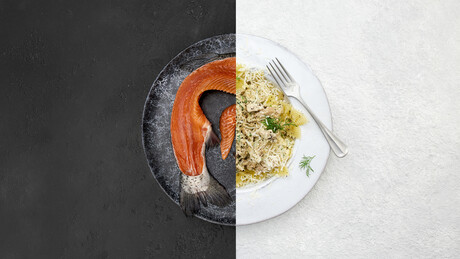
A new study conducted for Nordic seafood technology company Hailia revealed details about consumer’s readiness for incorporating products made from seafood sidestreams into their everyday diets. The findings indicate that consumer acceptance, long considered a key barrier, may no longer limit the wider use of sidestreams, opening up new opportunities for seafood processors and food manufacturers to turn under-utilised raw materials into scalable, value-added products.
Interviewing more than 1500 people from the UK, Sweden and Germany, the survey shows 74% of respondents have a positive or neutral attitude towards eating food made from filleting sidestreams. The strongest support was seen among younger (aged 24-34), urban and highly educated consumers.
When asked which situations or use cases products from sidestreams would be most suitable, a large proportion of respondents answered that they could see these products in ready meals, quick-service restaurants and cafeterias in workplaces or public institutions. Many consumers also indicated openness to using such ingredients in home cooking, reinforcing their versatility across both consumer-facing products and business-to-business ingredient applications.
Among the most common answers, respondents stated that these products would be a good alternative source for protein, make it easier to consume fish as part of convenient, everyday diets, and provide the sustainability and ethical benefits of using more of each fish for human consumption. The main concern raised was the perception that sidestream-based products are overly processed or ‘artificial’.
“We see clear signals that consumers are open to incorporating these products into their daily lives, but transparency is essential to building lasting trust,” said Michaela Lindström, CEO of Hailia. “Sidestreams are handled with the same care and quality standards as fillets, and the process itself is simple and familiar: refining, seasoning, forming, cooking. Nothing that wouldn’t happen in a professional kitchen. When people understand that, the hesitation tends to disappear. A majority are already on board, fewer than one in five are opposed, and the large group in the middle simply needs more familiarity with what these products actually are, and the chance to taste them.”
The study was undertaken by Consumer Compass for Hailia during a 14-day period in March 2026.
Cargill invests US$130m to expand poultry operations in Asia
As demand for protein and cooked poultry products continues to increase, Cargill is expanding the...
The Wagyu industry to gather in Adelaide next year
Organised by the Australian Wagyu Association, WagyuEdge'27 will explore how the industry can...
Solving the static charge dilemma for less clumpy shakes
A scientific discovery showing control of static charge left on surfaces could one day help to...