Digital Memosens technology for pH measurments
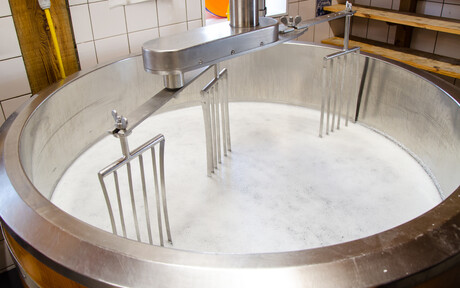
In food processing, pH measurement is rarely just about obtaining a number. It can be critical to product quality, process control and consistent production. So when a pH sensor starts drifting or producing unexplained readings, the consequences can extend well beyond the instrument itself.
Traditional analog pH sensors transmit a very small, high-impedance signal from the sensor to the analyser. Along the way, moisture, electrical interference, ground loops and corroded connections can all affect the measurement. Diagnosing the problem can mean sending personnel into the plant, checking connections and potentially interrupting production.
Digital Memosens technology takes a different approach.
The measurement is converted into a digital signal at the sensor and transferred through a non-contact, inductive connection. This provides galvanic isolation and removes many of the vulnerabilities associated with conventional electrical connections. The sensor also carries its own stored information, including calibration data and operating history.
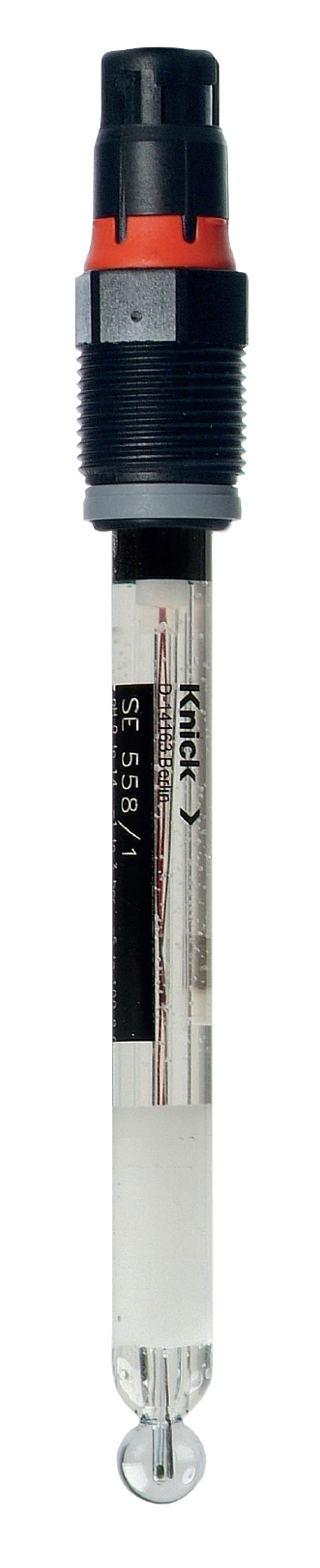
For food manufacturers, the practical benefits become particularly apparent during maintenance. Instead of calibrating a sensor at the process point, pre-calibrated Memosens sensors can be prepared in the laboratory and quickly exchanged in the plant. The used sensor can then be returned for cleaning, conditioning and recalibration — reducing intervention at the process and helping improve calibration consistency.
And the technology is not limited to pH. Memosens can also be used for ORP, conductivity and dissolved oxygen measurement, providing a common digital approach to liquid analysis.
So why are Australian plants moving away from analog pH measurement? The answer is less about adopting new technology and more about improving reliability, reducing downtime and making maintenance more predictable.
To read more details about how Memosens works, click here.
A three-level strategy for preventing moisture 'drift' in food production
Controlling moisture in food production is critical because even relatively small changes can...
Bottling line for resealable aluminium beverages
A family-owned beverage producer and contract bottler in Germany required a line for its new...
58% of food manufacturers report less productivity, research finds
Argon & Co research found that Australian food and beverage workers were still doing a lot of...