Creating a fish-free omega-3 supplement
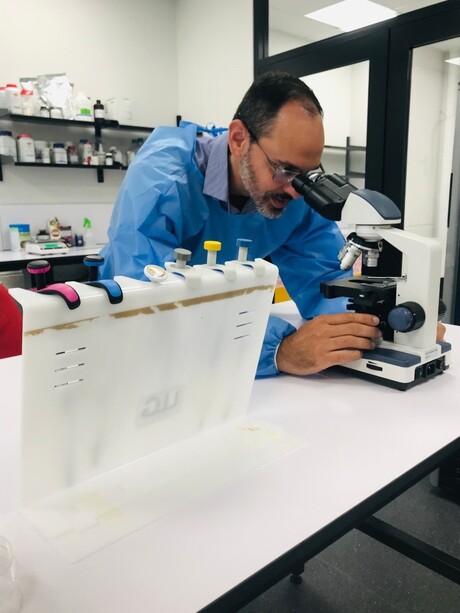
In a collaboration between academia and industry, a University of Sydney research affiliate is developing an omega-3 from a sustainable source made from environmental bacteria.
Omega-3 supplements consist of fatty acids called docosahexaenoic acid (DHA) and eicosapentaenoic acid (EPA). Most often derived from cod, the growing demand for omega-3s is currently fulfilled by increased fishing activities, which can result in overfishing.
BiomeMega doesn’t derive its fatty acids from fish, but rather, through advanced precision fermentation to elaborate omega-3 oils composed of wild bacterial extracts, some of which were discovered in Australian soil and waters before laboratory domestication.
Dr Gustavo De Cerqueira, BiomeMega CEO, is conducting research for the supplement while a resident member at the Sydney Knowledge Hub.
“While oily fish are a good source of omega-3 fatty acids, so too are marine and soil bacteria; however, generating extracts containing these acids has long been a major goal,” De Cerqueira said.
“Our unique process effectively helps to unlock previously inaccessible omega-3s from lactic acid bacteria using an innovative, precision-based approach to deliver the supplement to where omega-3 is needed in the human body, such as specific organs.”
Paul Montgomery, BiomeMega Chairman, said these new ways of obtaining functional ingredients aim to alleviate the pressure on marine ecosystems and fish stocks.
“So far, we have generated substantial results in collaboration with academia and industry, and we have obtained key patents and trademarks that include animal models, in vitro realistic tests and strong bioinformatic analyses (the analysis of biological data) that will next support our vision of using AI to produce even more robust bacterial omega-3s.”
The team is now focusing on a capital raise to test the supplement as a nutraceutical and a therapeutic. BiomeMega will continue conducting research with the University of Sydney and other academic partners, with plans to launch a market-ready product within the next four years.
Flavour research: AI tool to detect bitterness in peptides
A research team in Germany has developed an AI-based method to predict the bitterness of...
Call for submissions on proposal to add plant sterols to bread
FSANZ is calling for submissions about an amendment to the Australia New Zealand Food Standards...
Advances in the kokumi 'taste sensation' for food
Kokumi is a sensory concept, distinct from the five basic tastes, that has drawn attention lately...